Ancient capitals, court ritual and dynastic memory
Imperial China
Cinnabar walls, ceremonial axes, tomb landscapes and cities where dynasties left their mark.
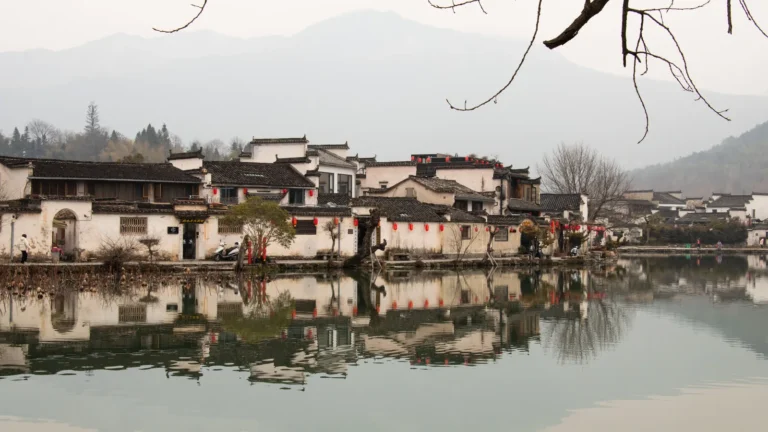
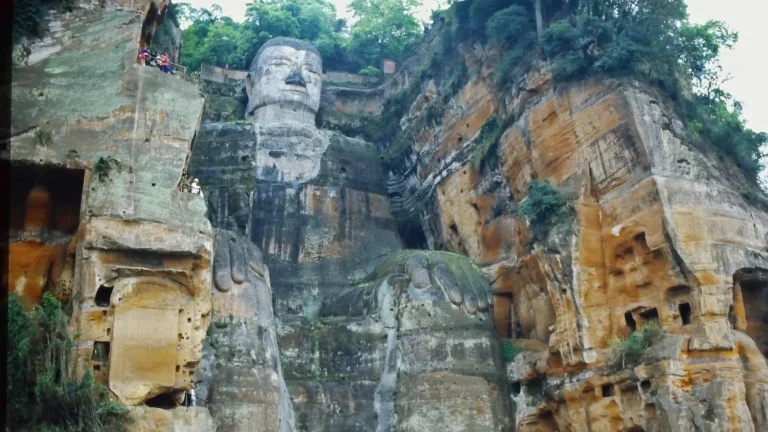
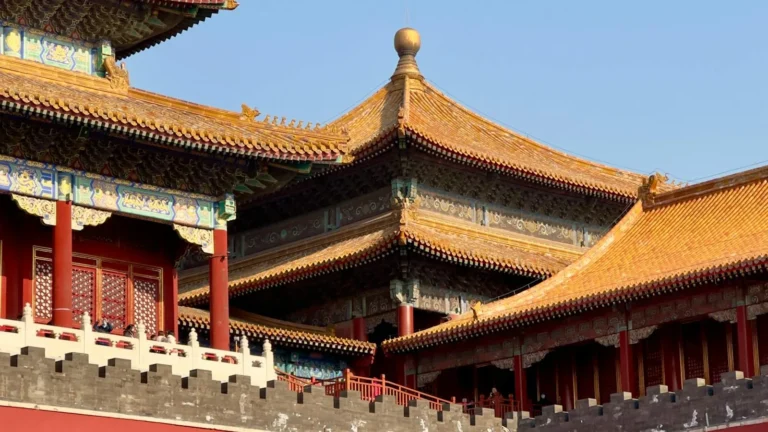
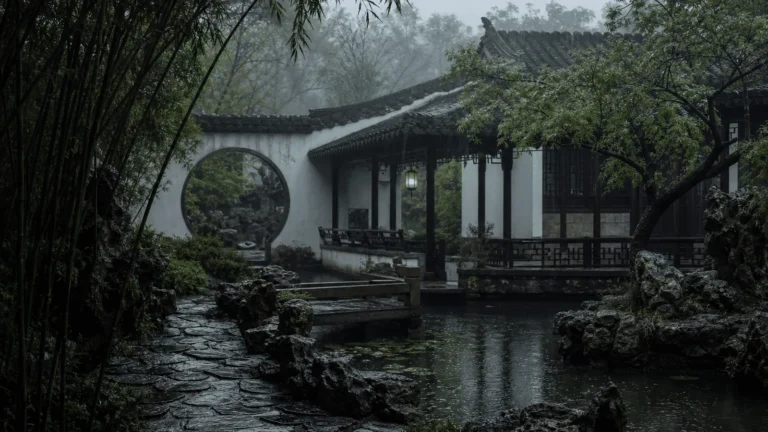
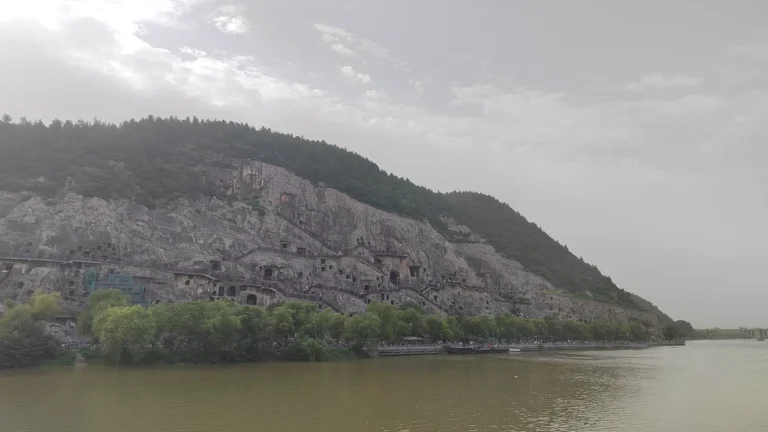
Imperial China is best understood not as a single monument but as a chain of ancient capitals and ritual spaces designed to stage authority. Beijing, Xi'an, Luoyang and Pingyao reveal how empire used gates, avenues, palace axes, tomb worlds, merchant courtyards and Buddhist sculpture to turn governance into something architectural and memorable.
This theme carries the ancient-capital story inside a stronger imperial narrative. It suits travelers who want chronology without feeling trapped in a museum sequence: Qin and Tang archaeology, Ming-Qing order, Luoyang's earlier dynastic layers and Pingyao's merchant texture all speak to one another through streets, walls, shrines, markets and tomb landscapes.
- Forbidden City and Temple of Heaven
- Qin and Tang archaeology
- Longmen Grottoes
- Ming-Qing city walls and merchant courtyards