Chinese gardens and civilization themes for cultural tours

Civilization Themes

Choose the China you want to feel first.

Move through illustrated chapters shaped by gardens, ancient capitals, desert corridors, sacred mountains and regional cultures.

Theme Chapters

Every theme now has room to breathe.

Instead of a short taxonomy list, each chapter is expanded with atmosphere, place logic and route guidance.

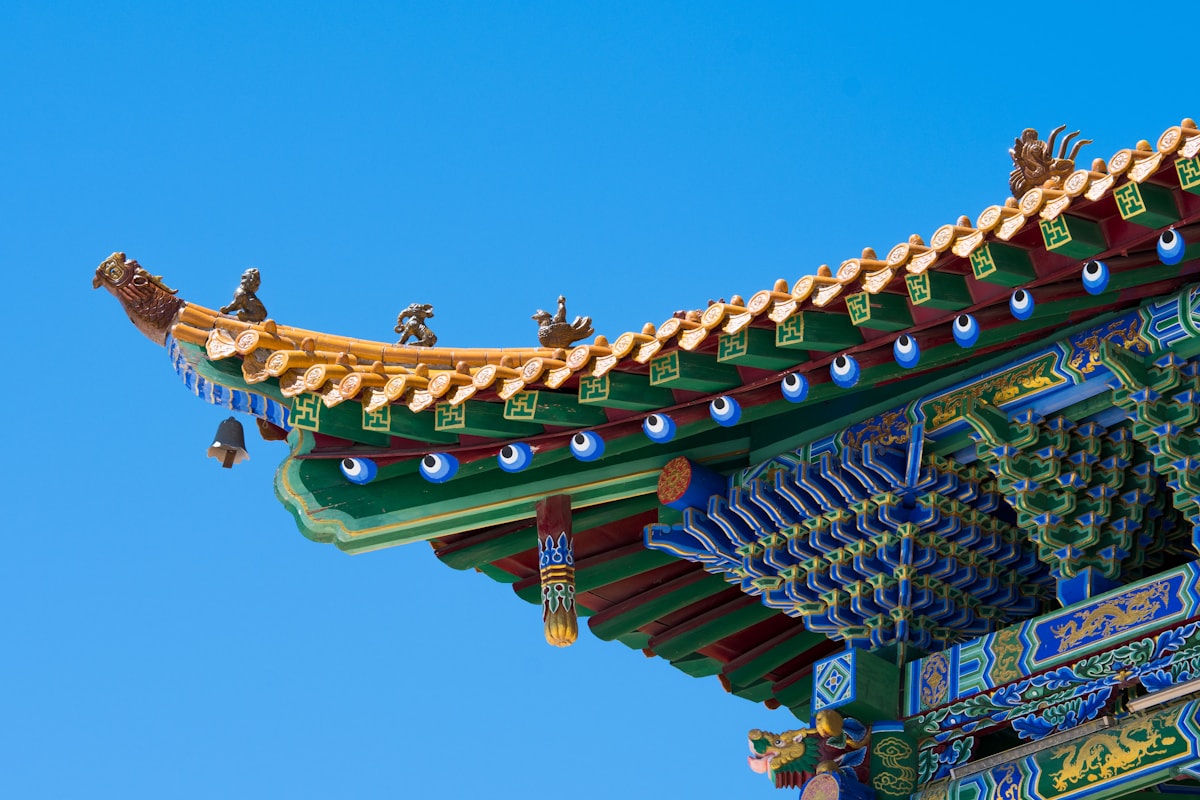
Ancient capital walls and imperial architecture for China cultural travel

Ancient capitals, court ritual and dynastic memory

Imperial China

Cinnabar walls, ceremonial axes, tomb landscapes and cities where dynasties left their mark.

Imperial China is best understood not as a single monument but as a chain of ancient capitals and ritual spaces designed to stage authority. Beijing, Xi'an, Luoyang and Pingyao reveal how empire used gates, avenues, palace axes, tomb worlds, merchant courtyards and Buddhist sculpture to turn governance into something architectural and memorable.

This theme carries the ancient-capital story inside a stronger imperial narrative. It suits travelers who want chronology without feeling trapped in a museum sequence: Qin and Tang archaeology, Ming-Qing order, Luoyang's earlier dynastic layers and Pingyao's merchant texture all speak to one another through streets, walls, shrines, markets and tomb landscapes.

Key placesBeijing, Xi'an, Luoyang and Pingyao
Suggested routeImperial China Grand Route
MoodGrand, layered and ceremonial
  • Forbidden City and Temple of Heaven
  • Qin and Tang archaeology
  • Longmen Grottoes
  • Ming-Qing city walls and merchant courtyards
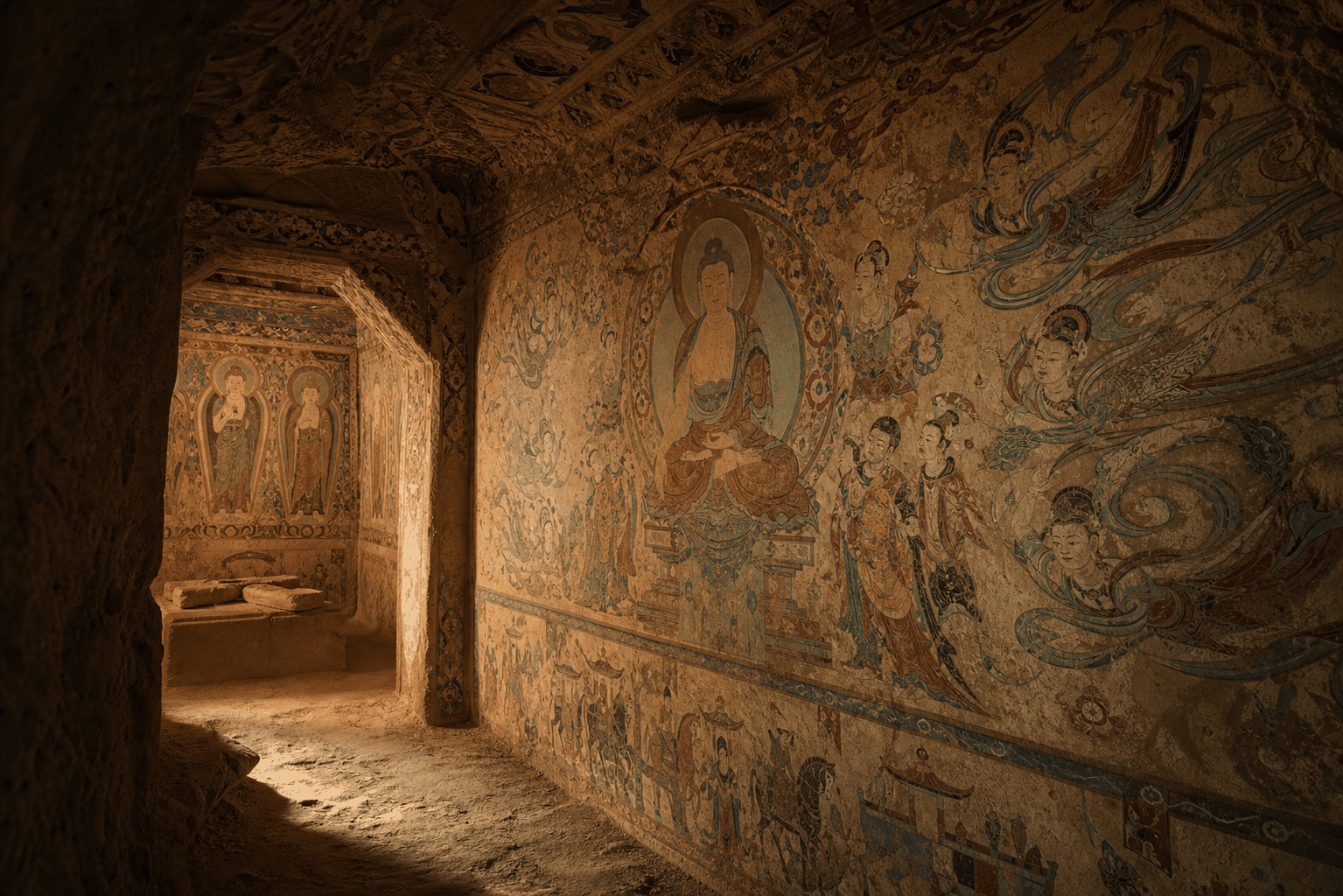
Dunhuang Mogao cave murals for Silk Road China cultural tour

Caravan routes, desert passes and Buddhist exchange

The Silk Road

Desert light, manuscripts, cave temples and frontier cities shaped by movement.

The Silk Road theme is about contact: trade, faith, translation, diplomacy and survival along the western corridors. Xi'an begins the story in a capital of exchange, then Dunhuang and Kashgar carry it into a more austere landscape where oasis cities held together very different worlds.

This theme is strongest for travelers drawn to contrast: courtly culture and desert space, cave painting and caravan dust, Buddhism and bazaar life. It feels expansive, cinematic and unusually coherent when paced well.

Key placesXi'an, Dunhuang and Kashgar
Suggested routeSilk Road Heritage Route
MoodMysterious, windswept and expansive
  • Mogao Caves
  • Hexi Corridor route logic
  • Oasis towns
  • Bazaar culture and frontier history
Temple quiet and sacred landscapes for Buddhist China journeys

Grottoes, monasteries and sacred geography

Buddhist China

A quieter China of cave sanctuaries, mountain temples and devotional circuits.

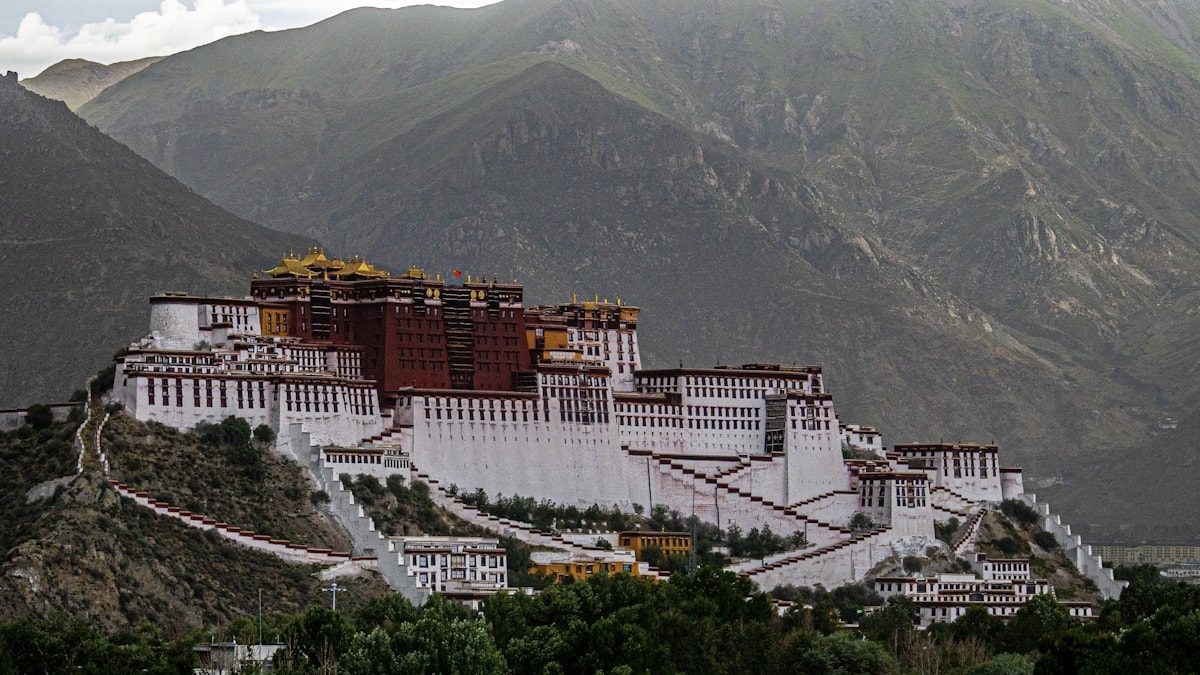
Buddhist China is not only about art history. It is also about movement through sacred terrain: caves cut into cliffs, monasteries set against mountains, and cities where daily life still flows around prayer, incense and pilgrimage routes.

Travelers who choose this theme usually want calm, inwardness and a sense of spiritual continuity. Dunhuang, Luoyang, sacred mountains and Lhasa form a route that moves between visual splendor and lived devotion.

Key placesDunhuang, Luoyang, Emei and Lhasa
Suggested routeBuddhist China Pilgrimage Route
MoodStill, contemplative and luminous
  • Cave art and sculpture
  • Monastic life
  • Pilgrim paths
  • Temple soundscapes and sacred mountains
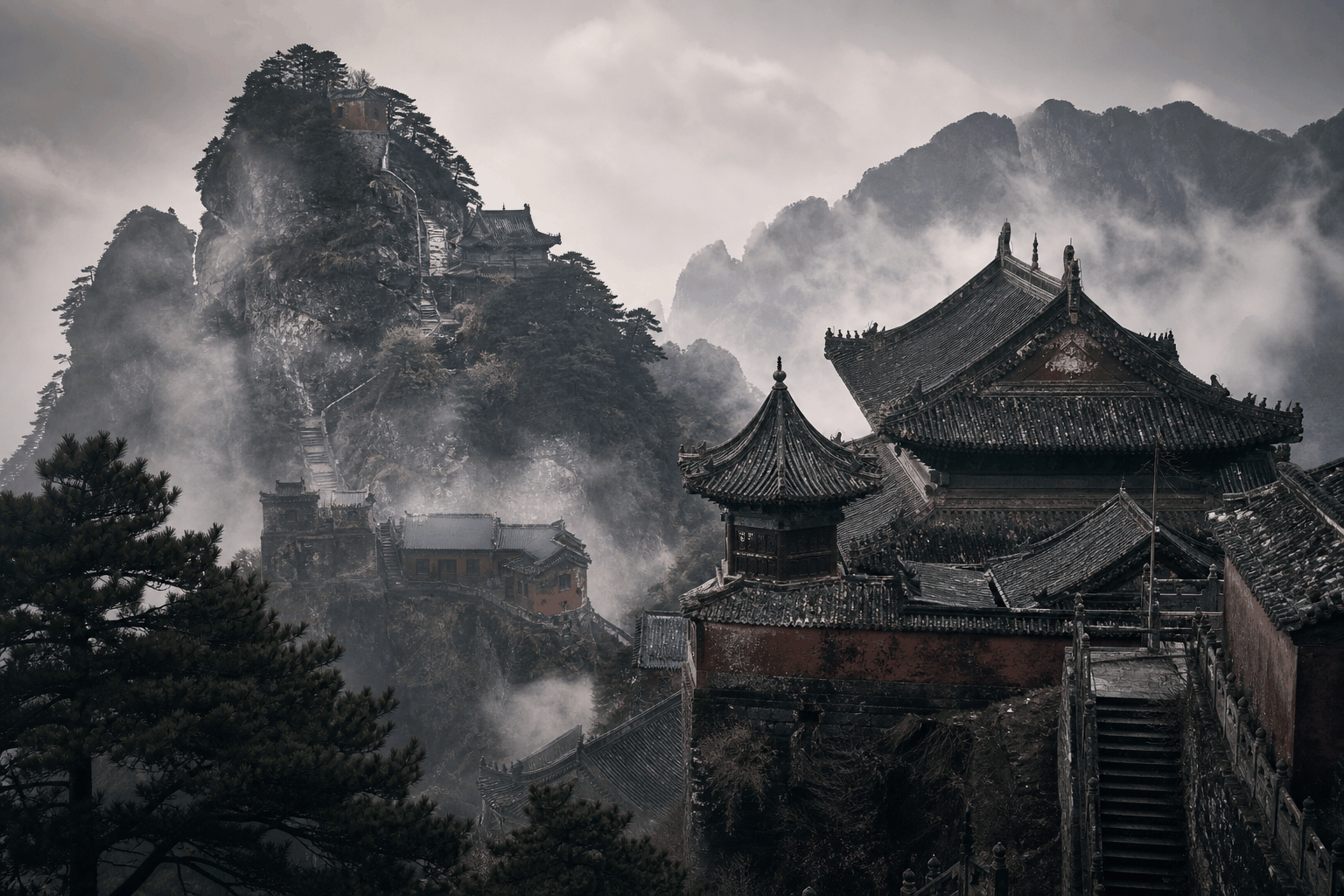
Taoist mountain temple in mist for Taoist China sacred landscape tour

Mountain cosmology and inner landscapes

Taoist China

Cloud, stone, water and mountain ritual give this theme a more elusive mood.

Taoist China is shaped less by empire and more by withdrawal, mountain practice and the symbolism of landscape. It belongs to travelers who are curious about sacred geography, quiet temples and the way Chinese thought turns valleys, peaks and rivers into spiritual diagrams.

This is the most atmospheric theme on the site. It works best when paired with gardens, tea or mountain journeys, where silence, weather and topography matter as much as landmark names.

Key placesMountain temples, Huangshan and southern landscapes
Suggested routeChinese Gardens and Tea Route
MoodMisty, secluded and elemental
  • Mountain temples
  • Landscape symbolism
  • Stone, pine and cloud
  • Quiet pacing and reflective travel
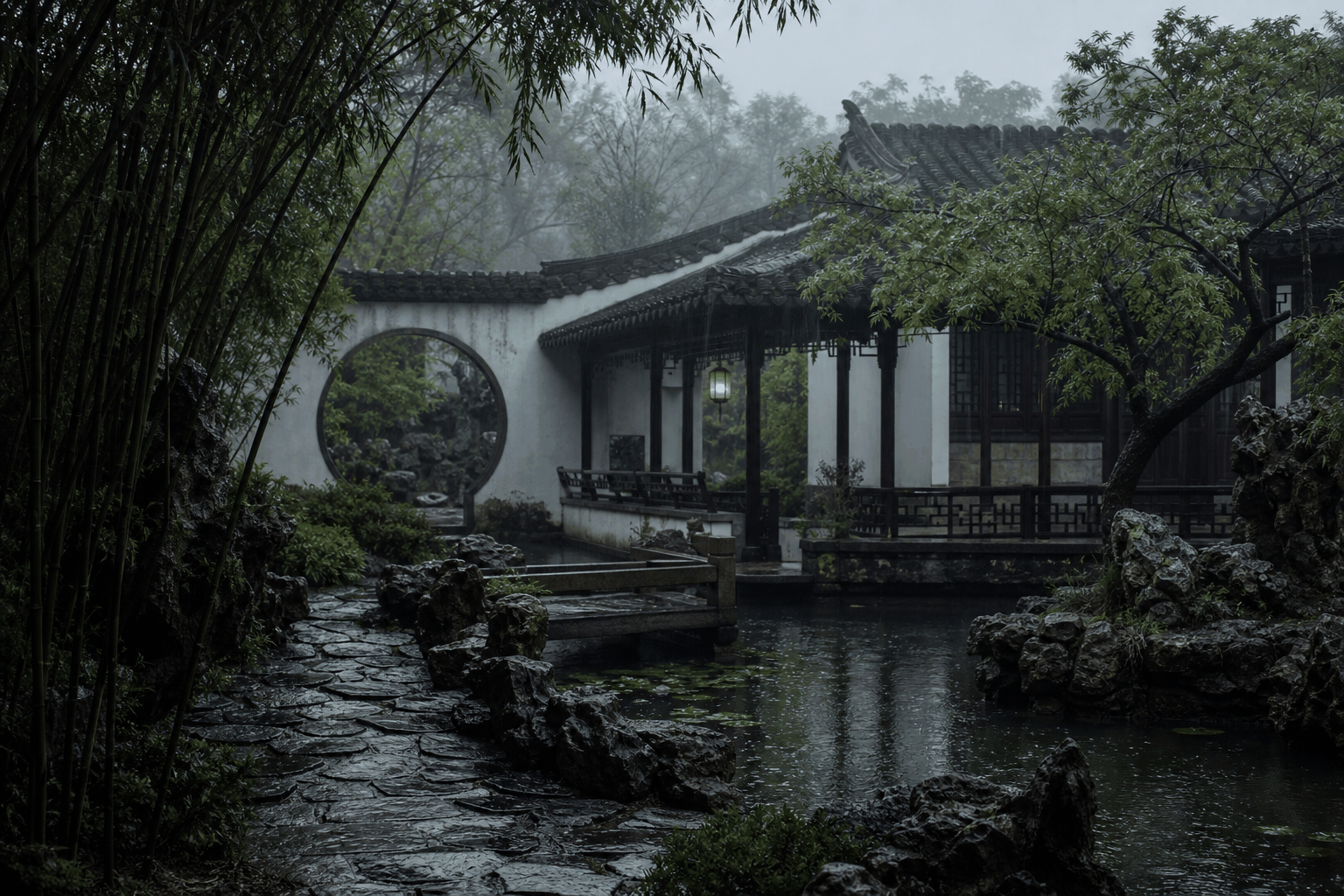
Jiangnan courtyard garden and tea culture for Chinese gardens and tea tour

Jiangnan gardens, tea villages and literati space

Chinese Gardens & Tea

A softer world of pavilions, scholar stones, canals, Longjing tea and rain-muted courtyards.

Chinese gardens and tea culture are best felt slowly. Suzhou and Hangzhou bring together the design intelligence of borrowed scenery, framed views, water, stone, poetry, West Lake and Longjing tea fields. This theme is less about conquest and more about refinement, proportion, cultivated retreat and the sensory rituals of Jiangnan life.

It is ideal for travelers who respond to texture: lacquered wood, damp stone bridges, willow-shadowed water, tea villages, teahouse conversation and the elegance of rooms opening onto carefully composed landscapes. The tea layer gives the garden route a human scale, turning visual beauty into taste, hospitality and seasonal rhythm.

Key placesSuzhou, Hangzhou, Shanghai, Longjing tea villages and Huangshan
Suggested routeChinese Gardens and Tea Route
MoodElegant, rain-softened and sensory
  • Suzhou classical gardens
  • West Lake and Longjing tea
  • Canals, teahouses and old lanes
  • Jiangnan aesthetics and seasonal hospitality
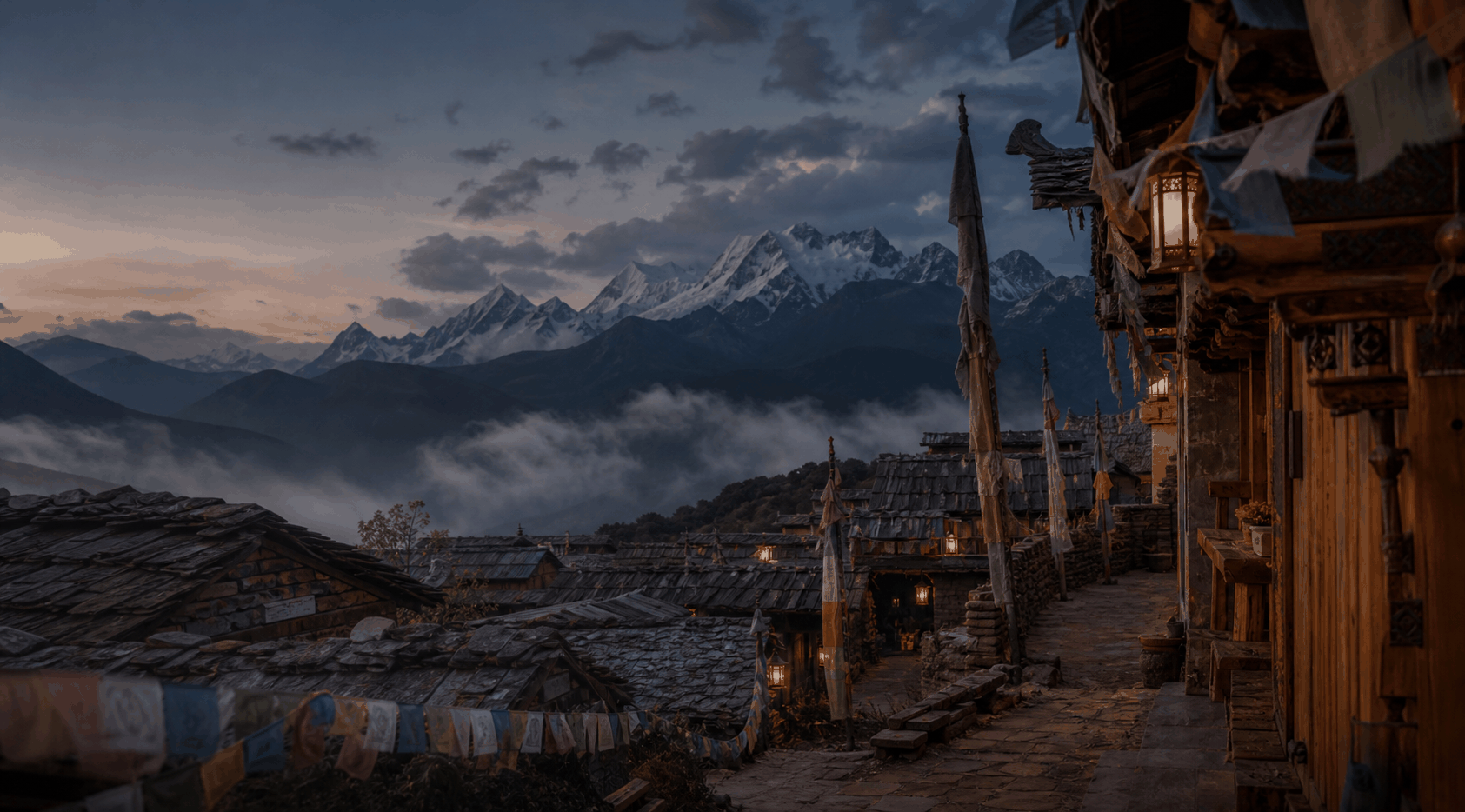
Yunnan mountain village and borderland cultures for Ethnic Minorities China tour

Borderlands, mountain cultures and regional identities

Ethnic Minorities

A broader China of plateaus, old towns, regional ritual and less expected cultural worlds.

This theme moves away from the familiar imperial corridor and into the southwest and western borderlands. It is less about one dominant center and more about plurality: Naxi culture, plateau devotion, mountain ecologies and local identity shaped by terrain as much as politics.

It suits repeat visitors who want a more textured sense of the country and who value respectful, slower travel over box-checking. The reward is a China that feels quieter, more varied and less rehearsed.

Key placesChengdu, Lijiang and Lhasa
Suggested routeSouthwest Ethnic and Mountain Route
MoodRemote, textured and quietly powerful
  • Lijiang and Naxi culture
  • Plateau monasteries
  • Mountain landscapes
  • Regional foodways and slower travel

Routes Linked to Themes

Themes lead directly into concrete journeys.

Once the mood feels right, the route comparison below makes it easy to move into a route.

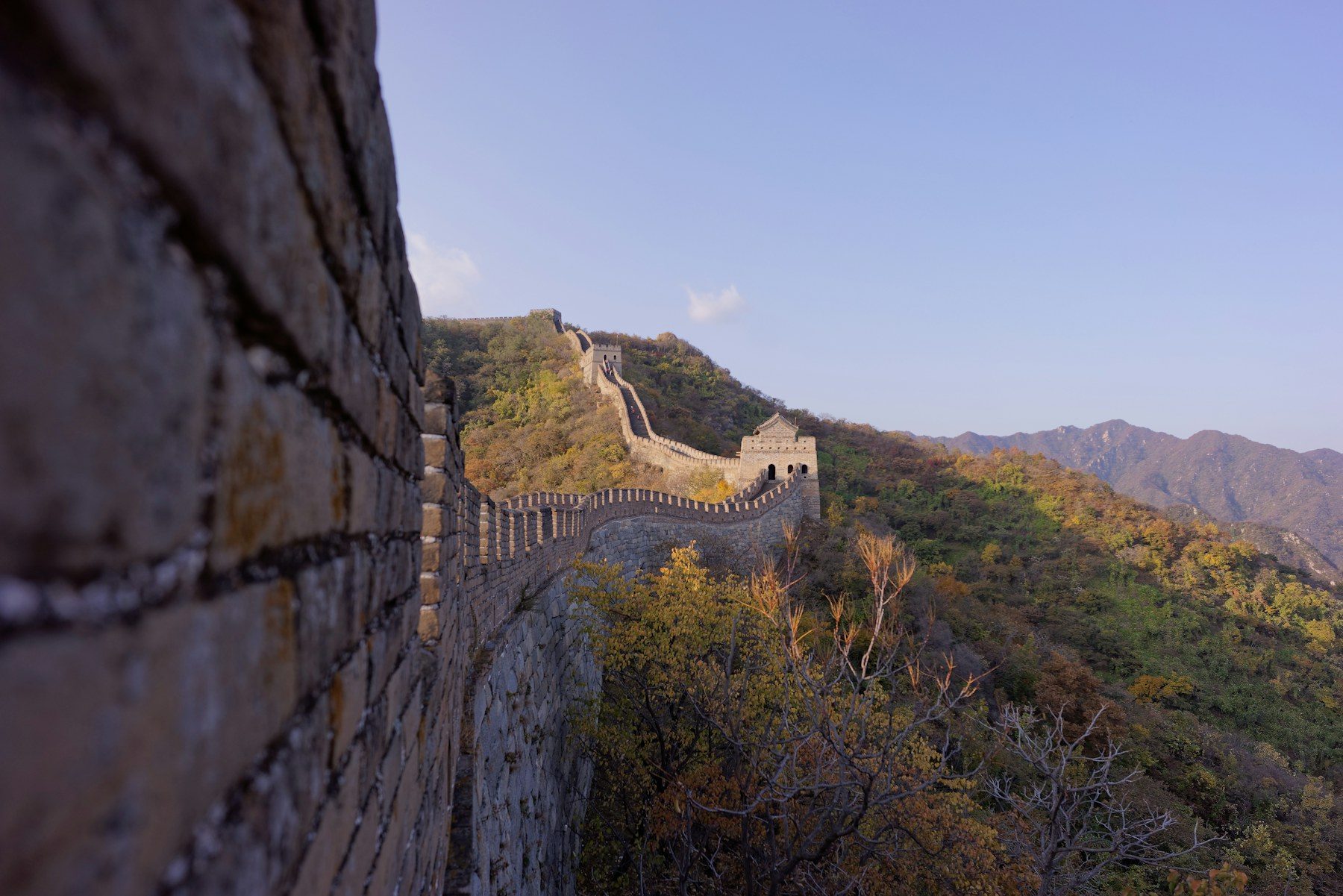
Great Wall and Forbidden City for an Imperial China cultural route

Route 01

Imperial China Grand Route

Beijing, Pingyao, Luoyang and Xi'an

Beijing, Pingyao, Luoyang and Xi'an combine into one powerful reading of imperial China: ritual capital, merchant city, sacred art and dynastic archaeology.

Forbidden City axis and ritual architecturePingyao merchant courtyardsLongmen Grottoes and dynastic sculptureTerracotta Warriors and Qin unification
9 days First-time visitors, history lovers and travelers who want a single route that carries the weight of the whole empire story.
From $3,120 View highlights
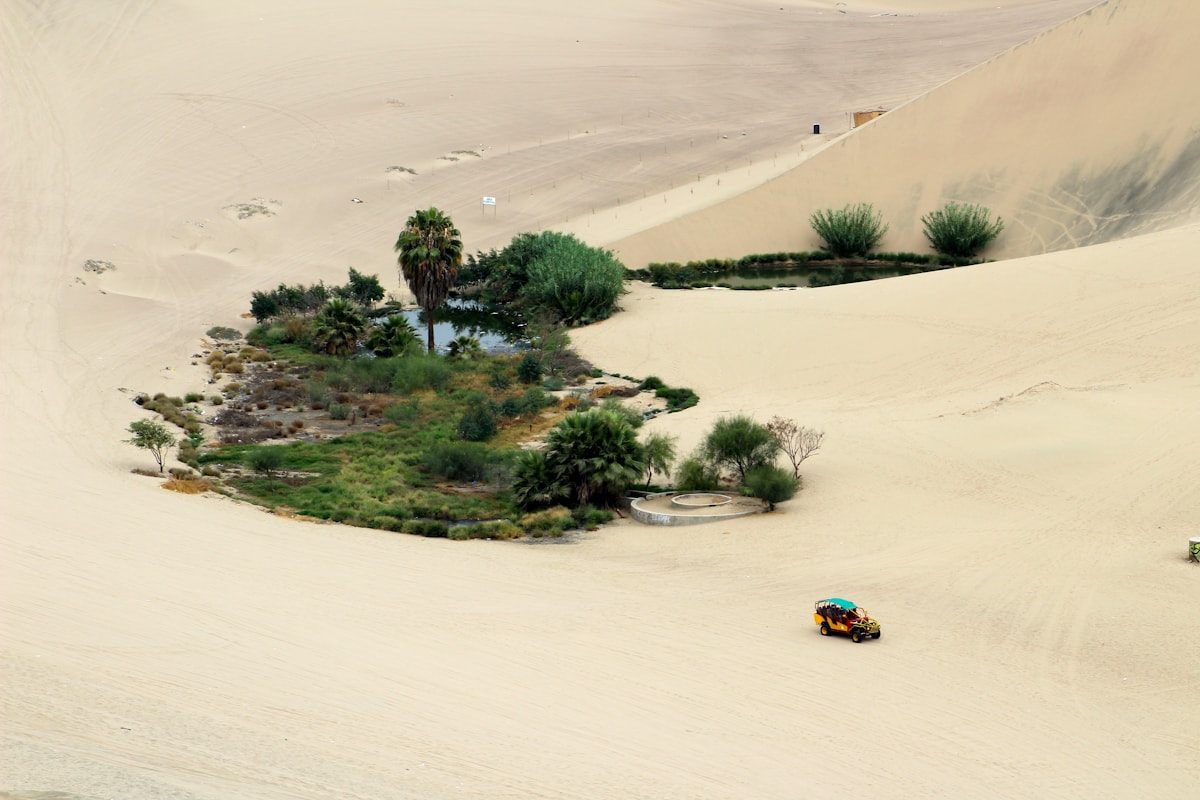
Dunhuang desert landscape for a Silk Road China tour

Route 02

Silk Road Heritage Route

Xi'an, Dunhuang and Kashgar

Xi'an, Dunhuang and Kashgar frame the western corridors of China, moving from Tang cosmopolitan culture into desert monasteries, oasis trade and borderland bazaars.

Mogao Caves specialist visitHexi Corridor road logicKashgar bazaar cultureFrontier history and caravan exchange
12 days Archaeology, Buddhist art, desert photography and travelers who want a strong narrative route.
From $4,460 View highlights
Buddhist China pilgrimage route with caves and sacred mountains

Route 03

Buddhist China Pilgrimage Route

Dunhuang, Luoyang, Emei and Lhasa

Dunhuang, Longmen, Emei and Lhasa become one sacred geography route, moving from cave art and mountain monasteries to devotional circuits on the plateau.

Mogao cave artLongmen stone sculptureMountain monasteries and pilgrim pathsLhasa devotional circuits
10 days Travelers who care about art history, living religion and pilgrimage landscapes.
From $3,880 View highlights
Jiangnan courtyard garden for Chinese gardens and tea culture route

Route 04

Chinese Gardens and Tea Route

Shanghai, Suzhou, Hangzhou and Huangshan

Shanghai, Suzhou, Hangzhou and Huangshan show how gardens, tea and landscape design shaped the refined side of Chinese civilization.

Suzhou classical gardensWest Lake and Longjing teaWater-town canal cultureHuangshan landscape traditions
8 days Design-minded travelers, photographers, tea lovers and anyone interested in Chinese aesthetics.
From $2,940 View highlights
Southwest China mountain landscape for private cultural journeys

Route 05

Southwest Ethnic and Mountain Route

Chengdu, Lijiang and Lhasa

Chengdu, Lijiang, Lhasa and borderland routes create a broader view of China's ethnic diversity, mountain ecologies and regional identities.

Chengdu teahouse cultureLijiang old town and Naxi contextHigh-plateau sacred geographyBorderland cultures and mountain landscapes
11 days Repeat travelers, ethnographic curiosity, mountain landscapes and culturally careful exploration.
From $4,720 View highlights