01
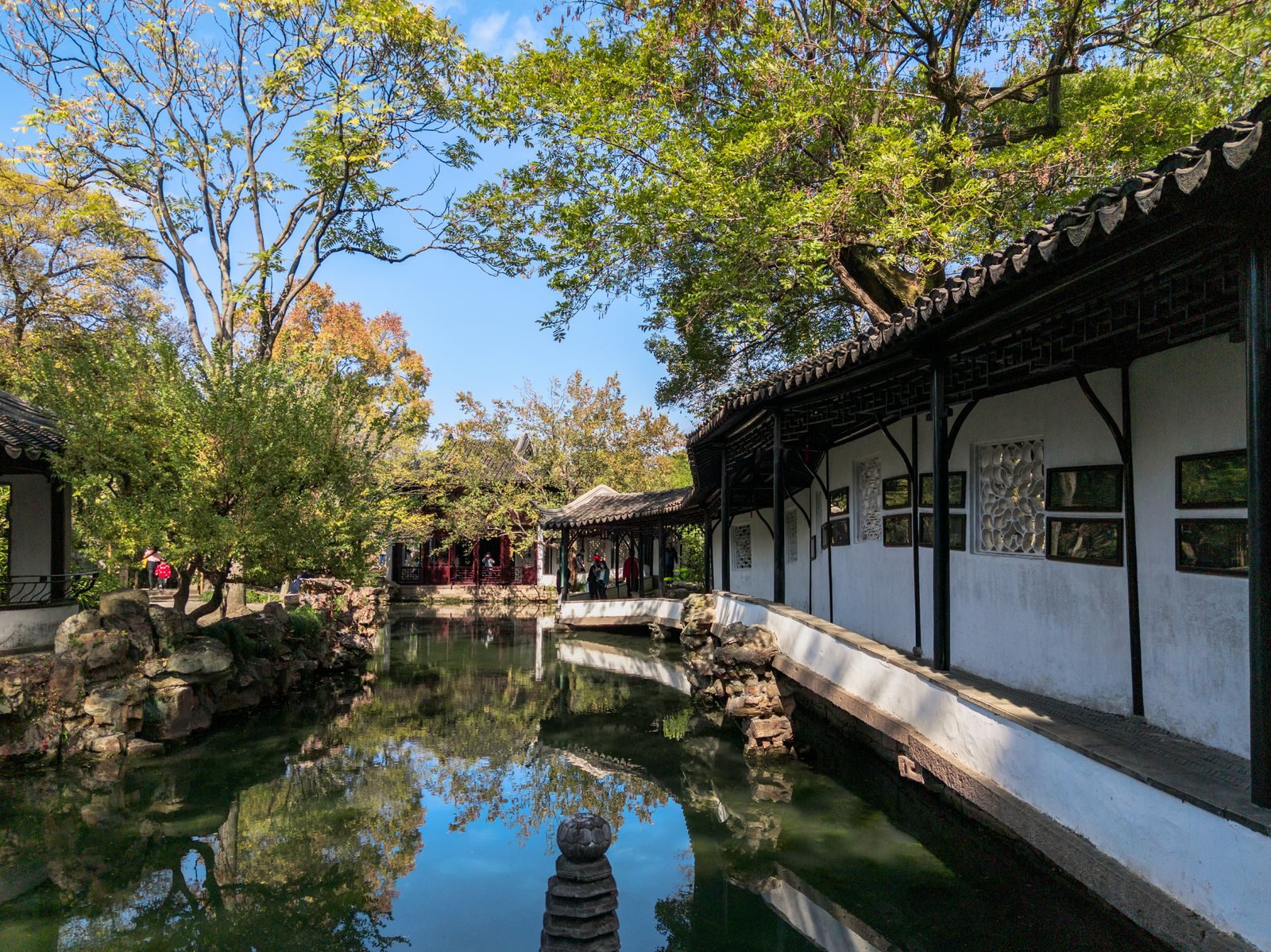
Suzhou classical gardens
Visit fewer gardens with better interpretation. Focus on borrowed views, rock composition, thresholds, seasonal planting and the way paths control attention.
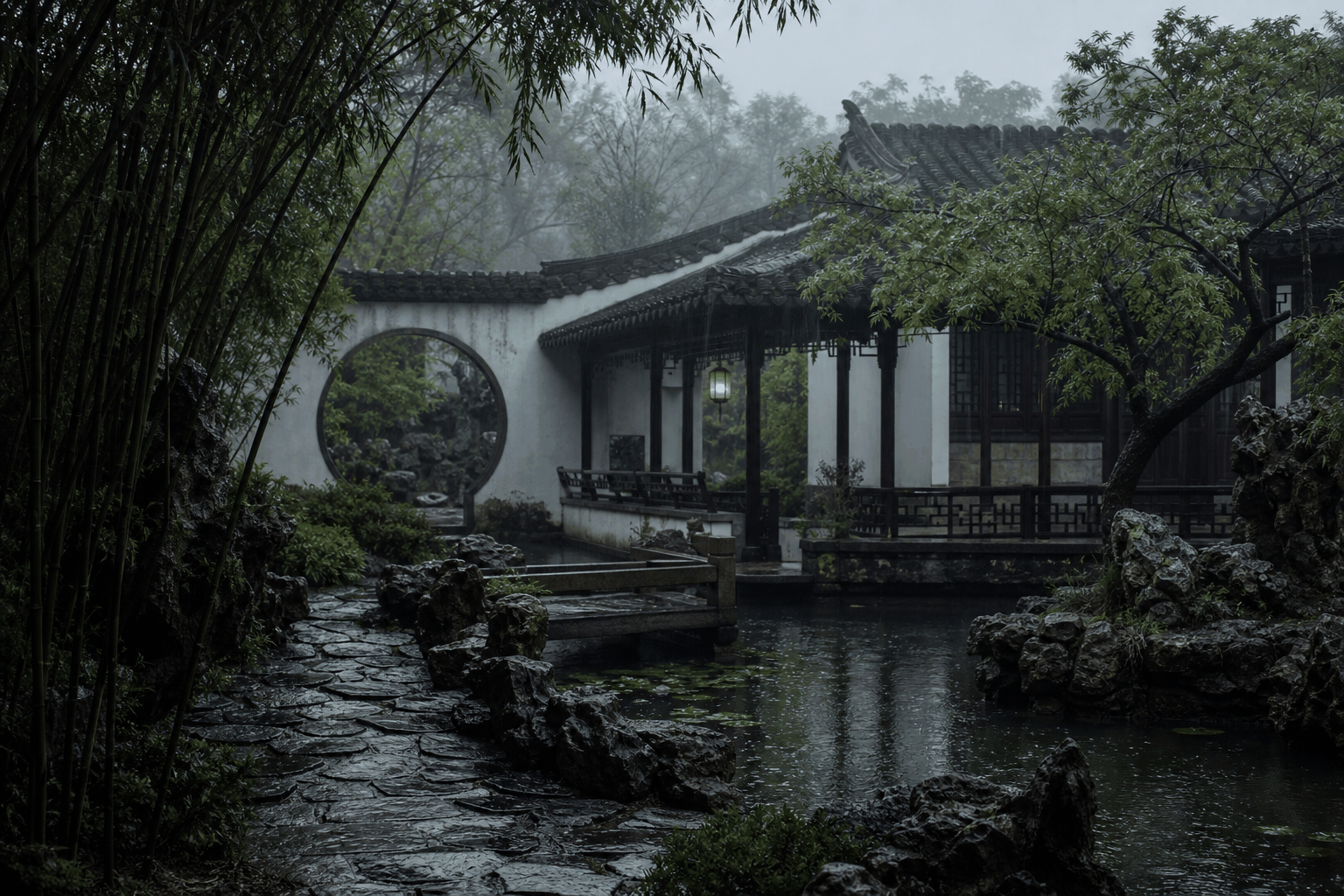
Chinese gardens tour
Shanghai, Suzhou, Hangzhou and Huangshan show how gardens, tea and landscape design shaped the refined side of Chinese civilization.
Route Logic
This route is about refinement rather than scale. Shanghai provides a contemporary entry point, but Suzhou and Hangzhou are the emotional core: gardens, water, stone, poetry, tea and the disciplined art of making small spaces feel infinite.
The journey should help travelers read Chinese aesthetics. A garden is not just pretty scenery; it is a composed argument about movement, concealment, framing, season, social life and cultivated restraint. Tea culture adds taste, ritual and agricultural landscape to that visual language.
Huangshan gives the final chapter a larger landscape tradition, connecting garden rocks and painted compositions to mountains, mist and literati imagination.
March to May and September to November are especially strong.
Design-minded travelers, photographers, tea lovers and anyone interested in Chinese aesthetics.
Private route estimate before hotel, guide and season refinements.
Trip Highlights
Each highlight is written as a reason to travel, not as a generic checklist item.
Visit fewer gardens with better interpretation. Focus on borrowed views, rock composition, thresholds, seasonal planting and the way paths control attention.
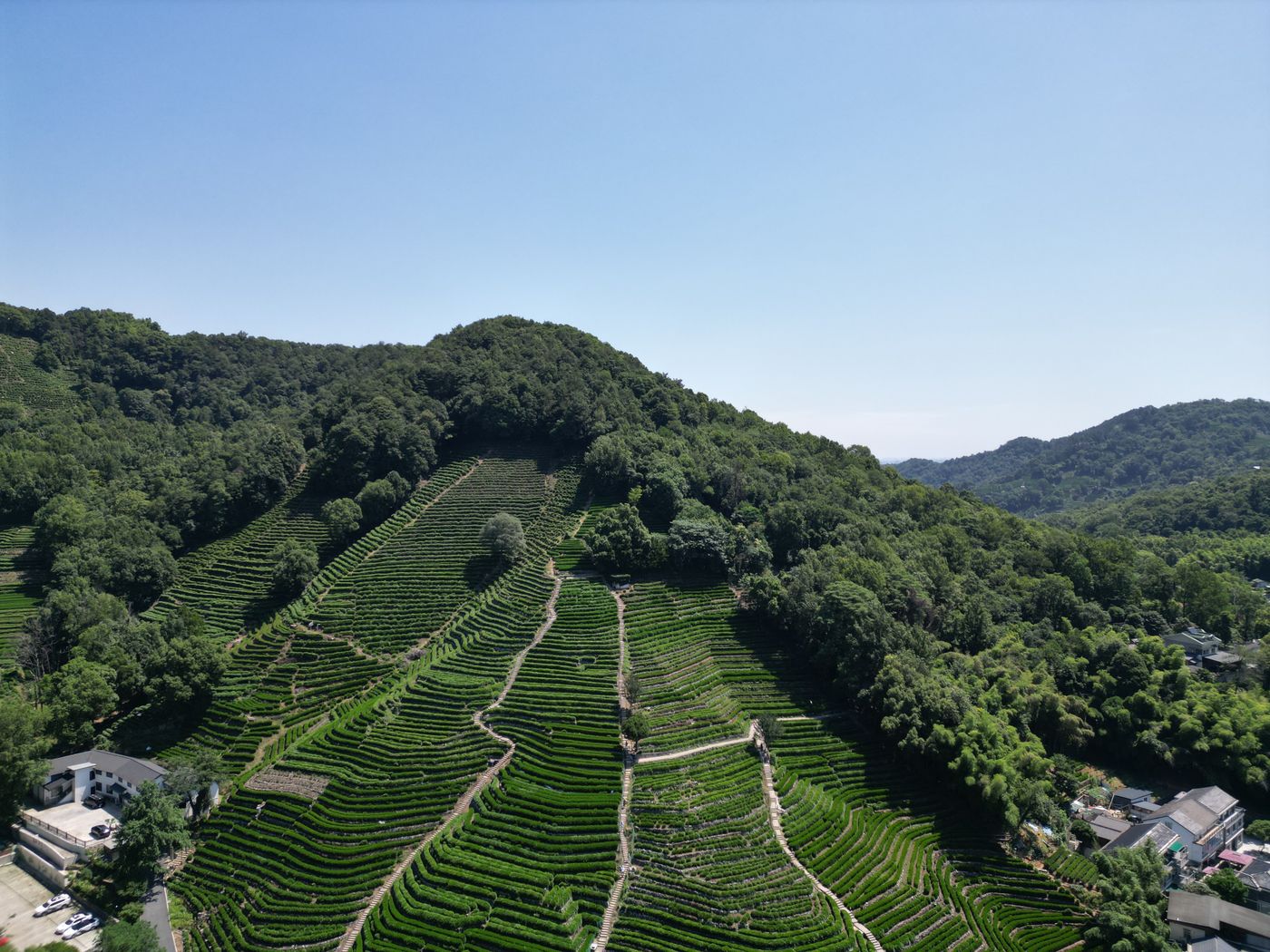
Hangzhou links cultural landscape with taste: lake views, causeways, tea fields, Longjing village context and slower meals.
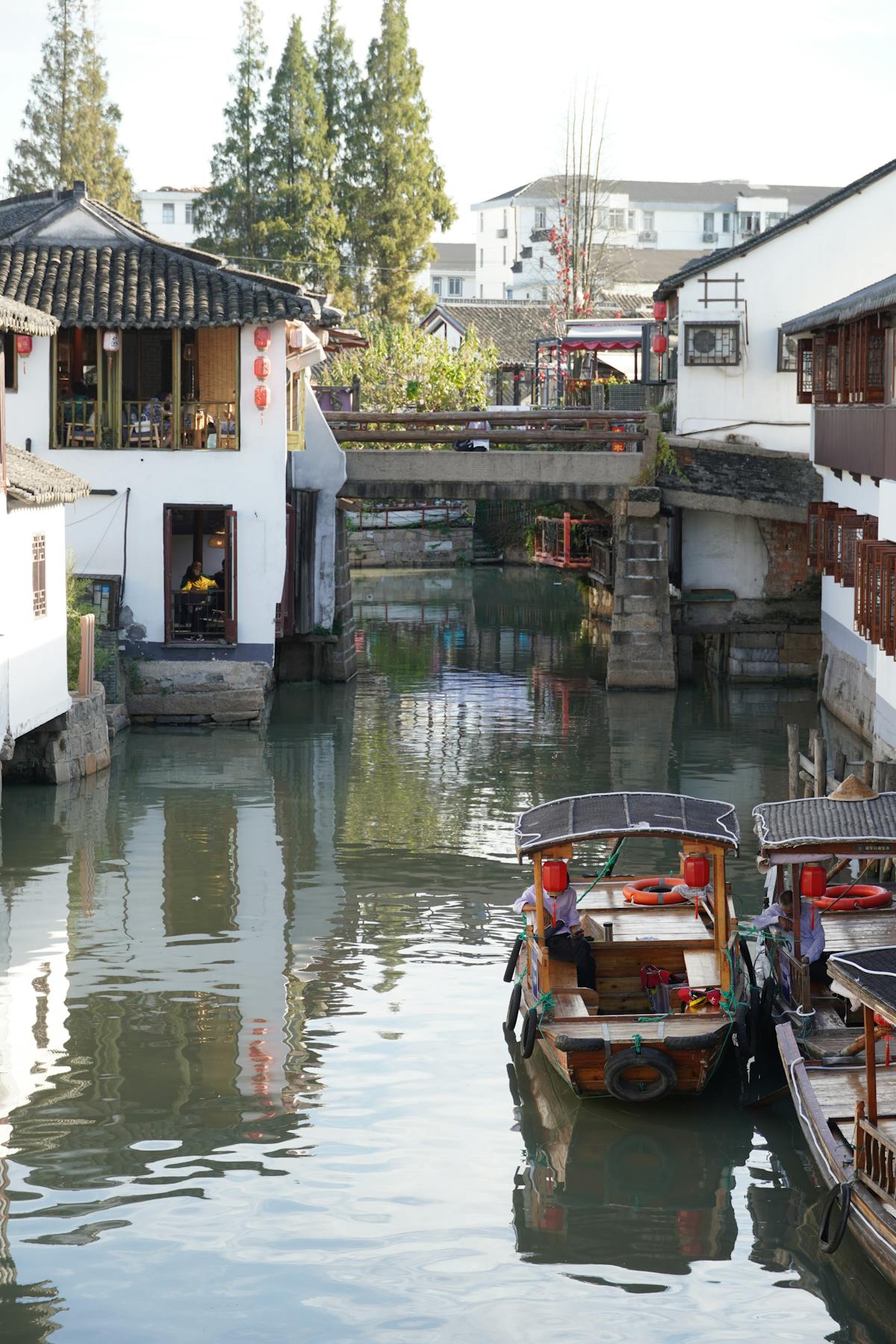
A carefully chosen water-town visit adds everyday Jiangnan texture without turning the route into a crowded photo stop.
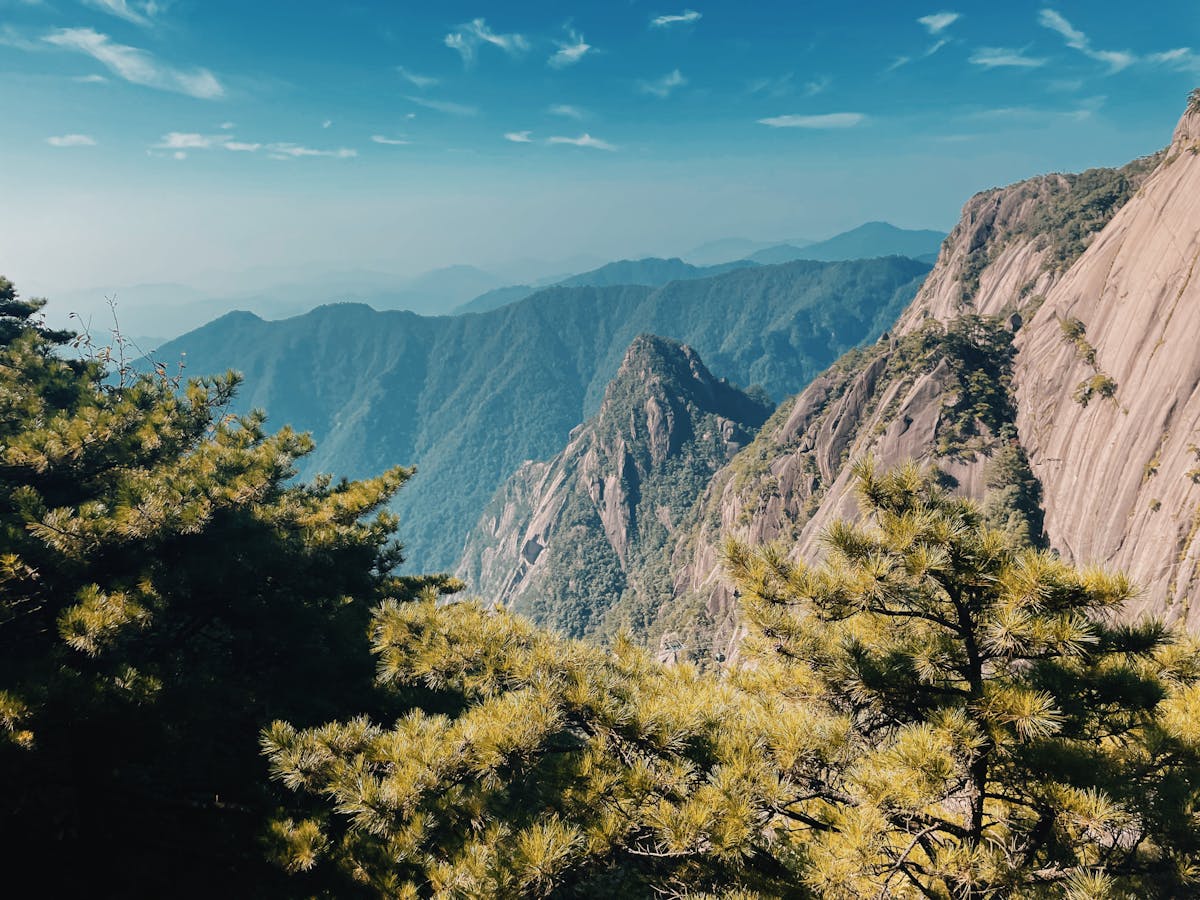
Huangshan connects mist, pine, stone and vertical drama to Chinese painting, poetry and the garden idea of compressed mountains.
Route Rhythm
The final itinerary can be adjusted, but the sequence below shows the intended cultural progression, pacing and emotional arc.
Begin gently with urban context, museum or Bund-era architecture, then frame Shanghai as the modern threshold into the Jiangnan cultural world.
Spend real time in selected gardens, canal neighborhoods and craft spaces. The guide teaches travelers how to read garden design rather than simply name it.
Move into lake and tea culture. Balance West Lake views with tea fields, village meals and quieter walking routes.
End with mountain forms that explain why gardens use rocks, framed views and mist. The landscape becomes the larger version of the garden.
Journey Notes
These notes keep the route culturally coherent when the final itinerary is shortened, upgraded or paced more slowly.
Best pacing
Slow mornings, fewer sites, more walking, tea and seasonal atmosphere. Rain can be an advantage rather than a problem.
Guide focus
Garden composition, literati culture, tea production, Jiangnan urban life and the relationship between painting and landscape.
Upgrade idea
Add a private garden specialist, tea tasting, boutique canal-side stays or a quieter water town instead of the busiest names.
Related Journal
These articles give the route more depth before the planning conversation begins.
Gardens | 8 min read
A Chinese gardens tour guide for Suzhou, Hangzhou, West Lake, classical garden design, tea culture and literati aesthetics.
Tea Culture | 8 min read
Plan a tea culture China tour through Hangzhou, Chengdu and Yunnan with Longjing, Pu'er, teahouses and regional food culture.