11 min read | Silk Road
A Silk Road China tour should feel strange, spacious and cumulative from the first day. Dunhuang is not simply a desert stop; it is where a Dunhuang travel guide, a Mogao Caves itinerary, the Hexi Corridor tour and China desert heritage travel begin to speak the same language.
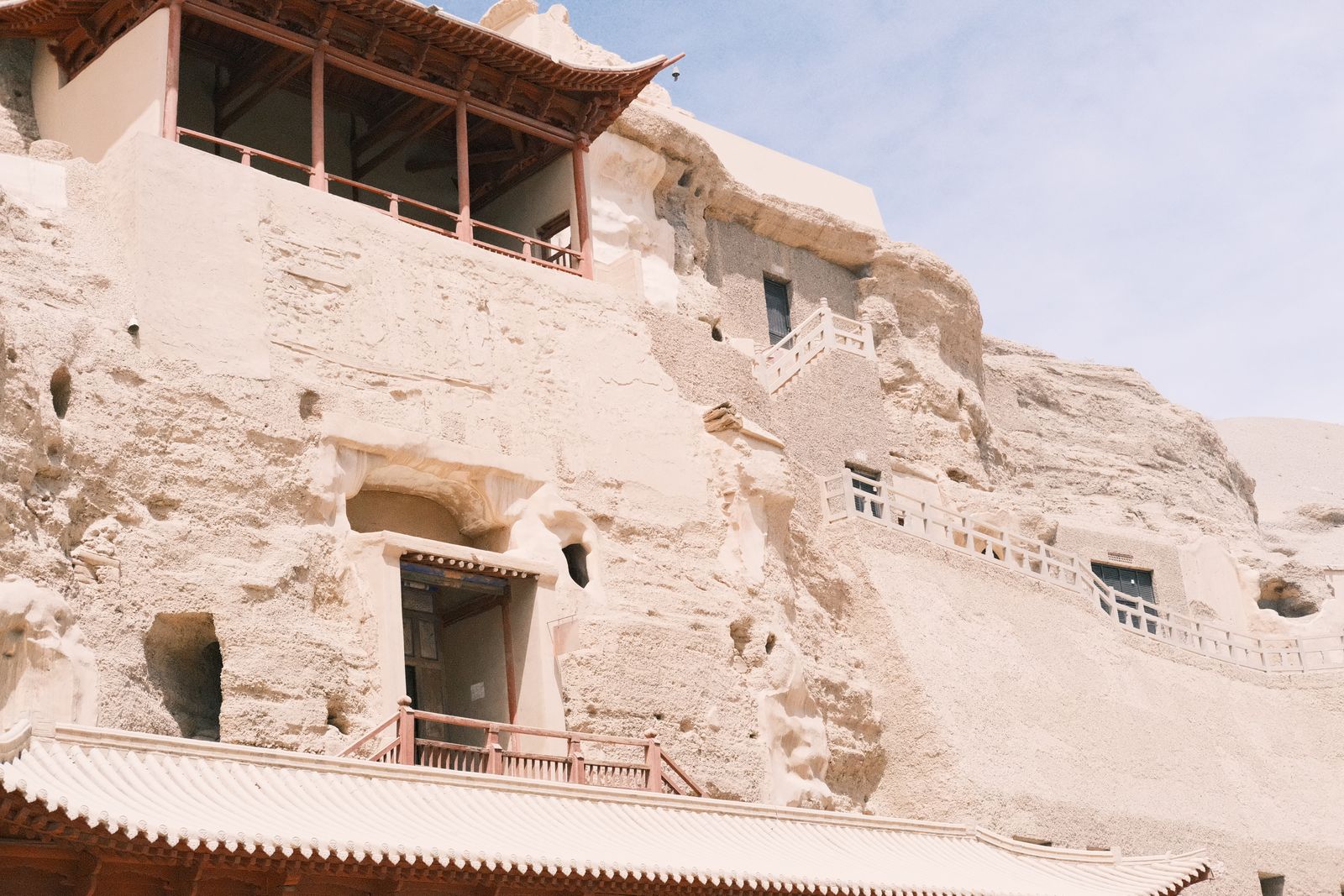
Why Dunhuang gives the Silk Road its emotional center
Dunhuang matters because it makes the Silk Road feel less like a line on a map and more like a meeting point of languages, religions, merchants, artists and empires. The desert setting is dramatic, but the real reason to travel here is cultural density.
The Mogao Caves preserve centuries of Buddhist painting, sculpture and manuscript history. A good itinerary gives the caves enough time and avoids treating them as a quick stop between photo locations.
A strong Silk Road China tour connects Xi’an, the Hexi Corridor and Dunhuang. This route helps travelers understand how Tang China, Central Asia and Buddhist networks shaped each other over time.
Dunhuang is best planned with season, heat, guide availability and flight logistics in mind. It rewards travelers who prefer context over speed.
Dunhuang works because it compresses distance, faith and exchange into one landscape. The traveler moves from sand and wind into caves dense with color, patronage and devotion. That contrast is the reason the place stays in memory.
A strong Silk Road route should not rush from Xi’an to Dunhuang as if both places were isolated attractions. Xi’an gives the eastern capital and Tang cosmopolitan frame; the corridor then stretches the imagination before Dunhuang concentrates the story in cave art and desert light.
For official context, references such as UNESCO World Heritage Centre profile for the Mogao Caves, UNESCO World Heritage Centre profile for the Great Wall and UNESCO World Heritage Centre profile for the Longmen Grottoes help separate durable cultural value from generic sightseeing language. They are not a substitute for a guide, but they give the traveler a better foundation before the trip begins.
How to pace a Silk Road China tour without losing the mystery
Silk Road Heritage Route gives the journey a clear westward movement through Xi’an, Dunhuang and Kashgar. The route should feel like a crossing, not a collection of flights and transfers.
Dunhuang deserves protected time. One fast visit to the caves is not enough for travelers who care about Buddhist art, manuscripts or frontier history. The itinerary should leave room for interpretation, weather and silence.
When this journey feels most rewarding
The Silk Road feels most powerful when the traveler accepts distance as part of the experience. Long horizons, dry air and slower movement are not inconveniences; they are part of the route’s meaning.
Late spring and early autumn are usually the most comfortable seasons. Summer can be harsh, while winter rewards travelers who value quiet sites and sharper desert light.
Before choosing dates, decide how much of the journey should be guided interpretation and how much should be left open for walking, meals and unscheduled looking. For Silk Road China tour, that balance matters because Dunhuang travel guide and Mogao Caves itinerary need context, while Hexi Corridor tour and China desert heritage travel become more memorable when the traveler has time to notice details without being hurried.
It also helps to name what should be left out. A focused Silk Road China tour can feel richer than a broader itinerary that touches too many regions too quickly. The best version edits with confidence, keeps transfers purposeful and gives each major place a role in the overall story.
How many days should you allow?
Twelve days is a strong minimum for a Silk Road China tour that includes Xi’an, Dunhuang and Kashgar. Shorter versions can focus on Xi’an and Dunhuang, but they should still preserve time for the Mogao Caves.
How the trip should feel
The route should feel mysterious but not vague: enough scholarship to understand what you are seeing, enough space to feel why it mattered.
FAQ
Is Silk Road China tour suitable for a first visit to China?
Yes, if the itinerary is focused. First-time travelers should usually choose one major route logic, then add secondary places only when they strengthen the story.
Can this theme be made private and slower paced?
Yes. Private pacing is often the difference between a good trip and a memorable one because guide time, museum interpretation and unscheduled walking can be adjusted around the traveler.
Which route connects best with this article?
The strongest match is the Silk Road Heritage Route, because it turns the article theme into a practical sequence of places, highlights and starting price.