7 min read | Xi’an
A Terracotta Warriors tour becomes much stronger when Xi’an cultural tour planning looks beyond Pit One. Qin dynasty travel, ancient capitals China tour design and private archaeology tour China interpretation should prepare travelers before they enter the excavation halls.
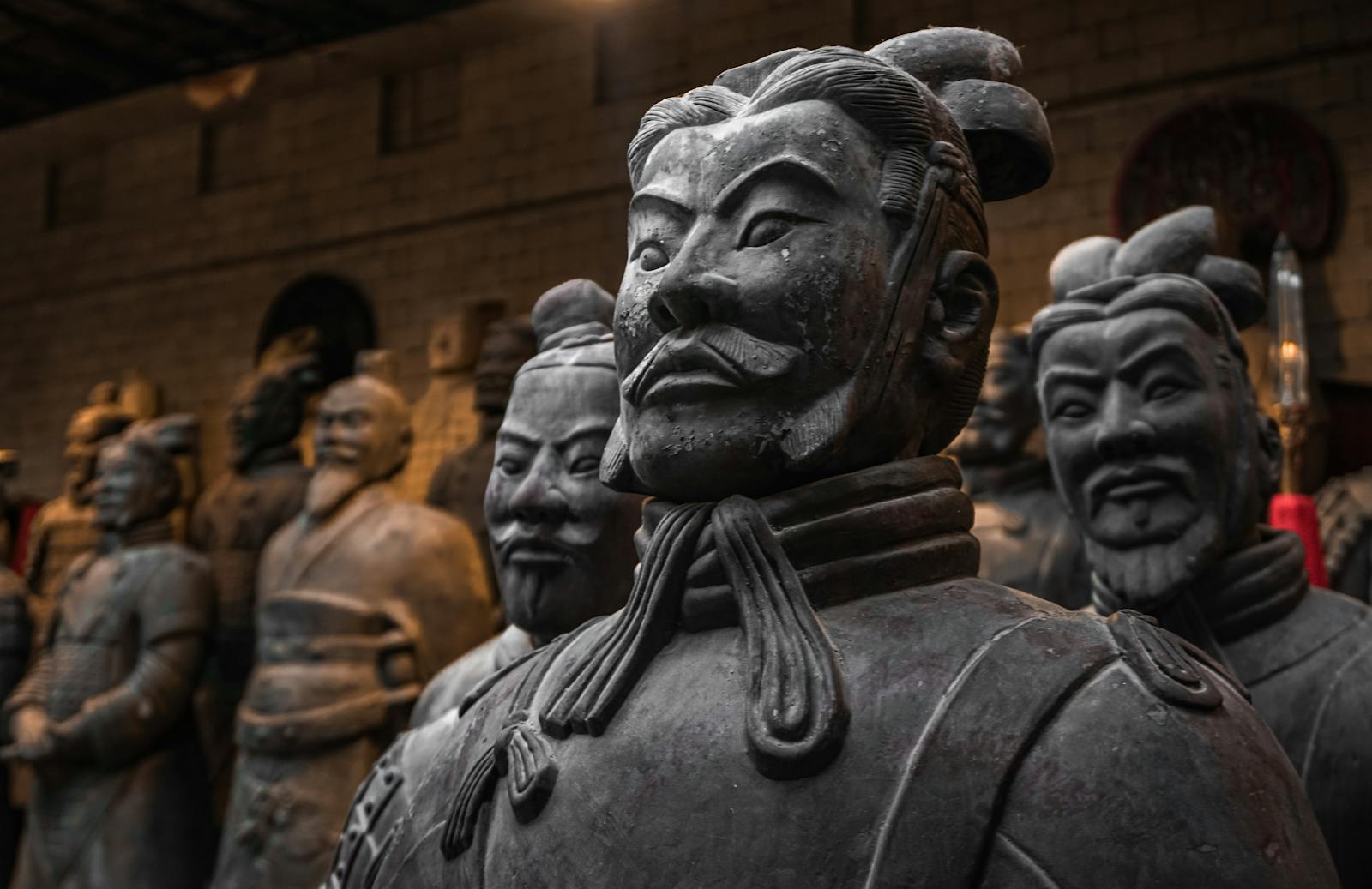
Why the Terracotta Warriors need context before spectacle
A Terracotta Warriors tour should begin before the visitor reaches the excavation halls. Qin history, unification, burial practice and imperial scale make the site more than a row of famous faces.
Pit One is dramatic, but Pit Two, Pit Three and the museum displays help explain military structure and archaeological process. A good guide slows the visit down at the right moments.
Xi’an pairs naturally with Luoyang and Beijing for an Ancient Capitals tour, or with Dunhuang for a Silk Road route.
The first view of Pit One is dramatic, but the deeper value lies in how the site explains Qin ambition, military order, burial practice and the imagination of empire.
A good visit slows down at the museum displays and secondary pits. Those spaces help travelers see process, hierarchy and archaeology, not only rows of famous faces.
For official context, references such as UNESCO World Heritage Centre notes on the Imperial Palaces of the Ming and Qing dynasties, UNESCO World Heritage Centre profile for the Longmen Grottoes and UNESCO World Heritage Centre profile for the Ancient City of Ping Yao help separate durable cultural value from generic sightseeing language. They are not a substitute for a guide, but they give the traveler a better foundation before the trip begins.
How Xi’an connects with older capital stories
Imperial China Grand Route places Xi’an inside a larger route through Beijing, Pingyao, Luoyang and Xi’an, so Qin archaeology is not isolated from later imperial order and Buddhist sculpture.
Xi’an also works beautifully with Dunhuang for travelers whose interest moves toward the Silk Road. The city can be either an ancient capital anchor or the eastern doorway to the western corridor.
When this journey feels most rewarding
This journey is most rewarding when the Terracotta Warriors are paired with city walls, old neighborhoods and Tang-era context. The visitor should leave Xi’an with more than one image of the city.
Morning visits often work best for the museum, with slower city time later in the day.
Before choosing dates, decide how much of the journey should be guided interpretation and how much should be left open for walking, meals and unscheduled looking. For Terracotta Warriors tour, that balance matters because Xi’an cultural tour and Qin dynasty travel need context, while ancient capitals China tour and private archaeology tour China become more memorable when the traveler has time to notice details without being hurried.
It also helps to name what should be left out. A focused Terracotta Warriors tour can feel richer than a broader itinerary that touches too many regions too quickly. The best version edits with confidence, keeps transfers purposeful and gives each major place a role in the overall story.
How many days should you allow?
Two full days in Xi’an is the minimum for a meaningful Terracotta Warriors tour. Three days allows a calmer rhythm with museums, city walls and food culture.
How the trip should feel
The experience should feel archaeological, not theatrical: powerful, but explained with care.
FAQ
Is Terracotta Warriors tour suitable for a first visit to China?
Yes, if the itinerary is focused. First-time travelers should usually choose one major route logic, then add secondary places only when they strengthen the story.
Can this theme be made private and slower paced?
Yes. Private pacing is often the difference between a good trip and a memorable one because guide time, museum interpretation and unscheduled walking can be adjusted around the traveler.
Which route connects best with this article?
The strongest match is the Imperial China Grand Route, because it turns the article theme into a practical sequence of places, highlights and starting price.