8 min read | Gardens
A Chinese gardens tour is most beautiful when Suzhou garden tour planning, Hangzhou West Lake culture, Jiangnan cultural travel and Chinese landscape aesthetics are treated as one refined world.
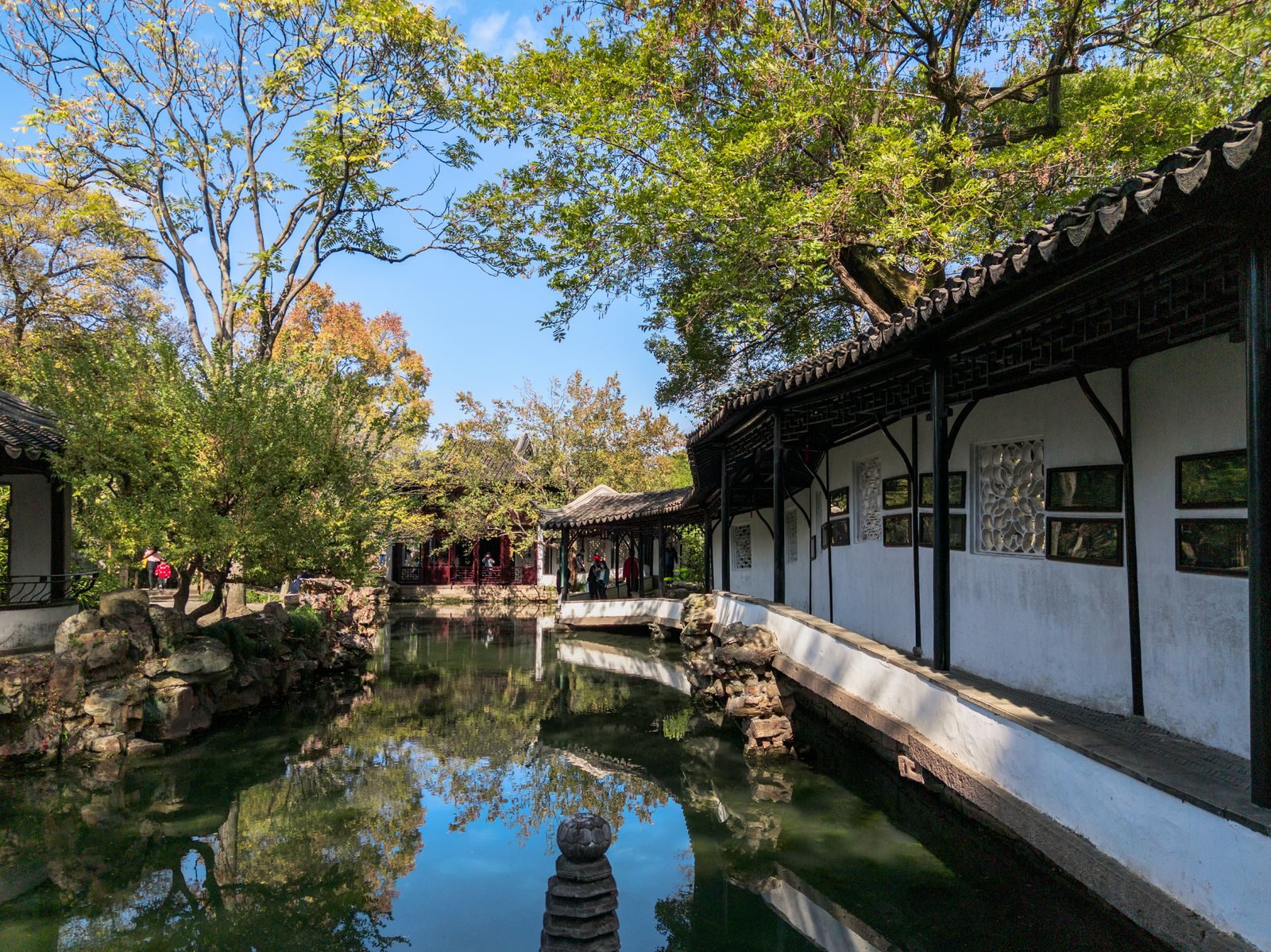
Why gardens are not decorative side trips
Chinese gardens are not decorative pauses between bigger landmarks. In Suzhou and Hangzhou, they are philosophical spaces where architecture, plants, stone, water and borrowed views shape perception.
A Suzhou garden tour should include fewer gardens with better interpretation. Repetition is easy if the traveler only hears names and dates. The point is to read space.
Hangzhou adds West Lake and Longjing tea culture, turning the garden conversation into a broader Jiangnan cultural route.
Suzhou gardens are built for attention. Doorways frame views, rocks suggest mountains, water changes scale and rooms open into carefully managed surprise.
Hangzhou expands that garden logic into a larger cultural landscape. West Lake, Longjing tea and surrounding hills show how scenery, poetry and daily life can be arranged into a slower way of seeing.
For official context, references such as UNESCO World Heritage Centre profile for the Classical Gardens of Suzhou, UNESCO World Heritage Centre profile for West Lake Cultural Landscape of Hangzhou and UNESCO World Heritage Centre profile for Mount Huangshan help separate durable cultural value from generic sightseeing language. They are not a substitute for a guide, but they give the traveler a better foundation before the trip begins.
How to pace Jiangnan without rushing its quiet
Chinese Gardens and Tea Route connects Shanghai, Suzhou, Hangzhou and Huangshan for travelers who want the refined side of Chinese civilization: gardens, tea, water towns, mountains and urban elegance.
This route should not be packed too tightly. Two gardens seen slowly are better than five names collected in a day.
When this journey feels most rewarding
Rain can be an advantage here. Wet stone, dark wood, reflected pavilions and quieter paths often make Jiangnan feel more itself.
Spring and autumn are especially strong, but winter can reveal the architecture of gardens more clearly.
Before choosing dates, decide how much of the journey should be guided interpretation and how much should be left open for walking, meals and unscheduled looking. For Chinese gardens tour, that balance matters because Suzhou garden tour and Hangzhou West Lake culture need context, while Jiangnan cultural travel and Chinese landscape aesthetics become more memorable when the traveler has time to notice details without being hurried.
It also helps to name what should be left out. A focused Chinese gardens tour can feel richer than a broader itinerary that touches too many regions too quickly. The best version edits with confidence, keeps transfers purposeful and gives each major place a role in the overall story.
How many days should you allow?
Eight days is enough for Shanghai, Suzhou and Hangzhou. Add Huangshan only if the traveler wants the landscape tradition to become more dramatic.
How the trip should feel
The trip should feel elegant, sensory and composed, with time for tea, walking and small spatial discoveries.
FAQ
Is Chinese gardens tour suitable for a first visit to China?
Yes, if the itinerary is focused. First-time travelers should usually choose one major route logic, then add secondary places only when they strengthen the story.
Can this theme be made private and slower paced?
Yes. Private pacing is often the difference between a good trip and a memorable one because guide time, museum interpretation and unscheduled walking can be adjusted around the traveler.
Which route connects best with this article?
The strongest match is the Chinese Gardens and Tea Route, because it turns the article theme into a practical sequence of places, highlights and starting price.