10 min read | Buddhist China
A Buddhist China pilgrimage tour should move through art, mountain, ritual and living devotion. Mogao Caves Buddhist art, sacred mountains China tour planning, a Longmen Grottoes route and monastery travel China all require different kinds of attention.
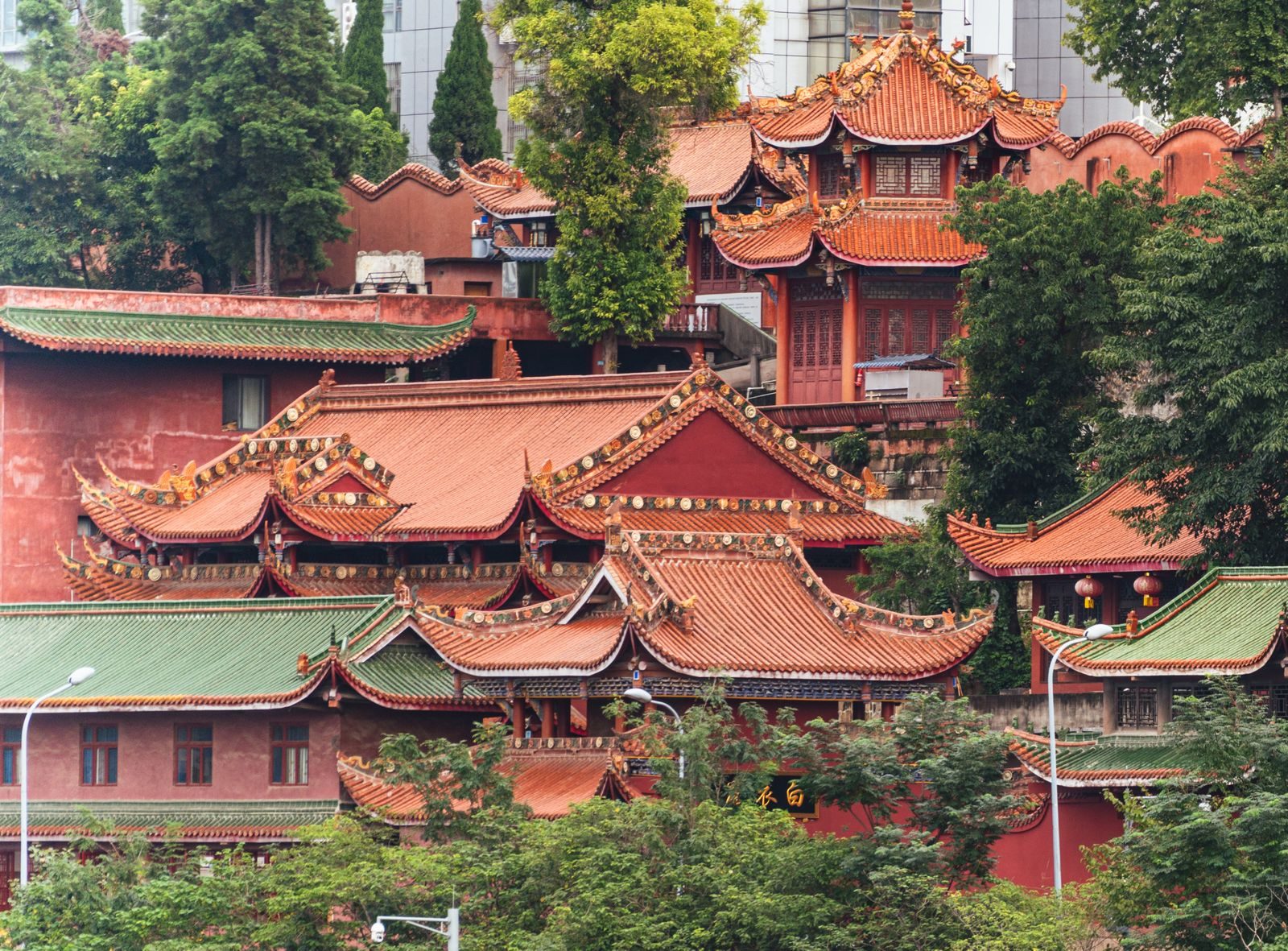
Why Buddhist China cannot be reduced to one site
Buddhist China is geographically broad. Cave temples, sacred mountains and active monasteries show different forms of devotion, patronage and artistic transmission.
Mogao and Longmen are essential for Buddhist art. Wutai, Emei, Putuo and Jiuhua bring pilgrimage geography into the itinerary.
Travelers should decide whether they want art history, active religious culture, mountain walking or a balanced route before choosing sites.
Mogao and Longmen are essential for art history, but sacred mountains and active monasteries show Buddhism as a lived geography. The strongest journeys include both.
A route built only around famous statues can become static. A route that includes caves, sculpture, mountain paths and devotional circuits feels more complete.
For official context, references such as UNESCO World Heritage Centre profile for the Mogao Caves, UNESCO World Heritage Centre profile for the Longmen Grottoes and UNESCO World Heritage Centre profile for Mount Emei and the Leshan Giant Buddha help separate durable cultural value from generic sightseeing language. They are not a substitute for a guide, but they give the traveler a better foundation before the trip begins.
A sacred route with real internal movement
Buddhist China Pilgrimage Route connects Dunhuang, Luoyang, Emei and Lhasa, letting the traveler move from cave art and stone sculpture toward mountain monasteries and plateau devotion.
The route should protect silence. Temple visits are more meaningful when they are not squeezed between unrelated photo stops.
When this journey feels most rewarding
This journey is most rewarding for travelers who care about both interpretation and atmosphere. The guide should explain iconography, patronage and ritual without flattening the experience into a lecture.
Spring and autumn usually offer the best balance of comfort and accessibility for sacred mountains and temple sites.
Before choosing dates, decide how much of the journey should be guided interpretation and how much should be left open for walking, meals and unscheduled looking. For Buddhist China pilgrimage tour, that balance matters because Mogao Caves Buddhist art and sacred mountains China tour need context, while Longmen Grottoes route and monastery travel China become more memorable when the traveler has time to notice details without being hurried.
It also helps to name what should be left out. A focused Buddhist China pilgrimage tour can feel richer than a broader itinerary that touches too many regions too quickly. The best version edits with confidence, keeps transfers purposeful and gives each major place a role in the overall story.
How many days should you allow?
Ten to twelve days is a sensible minimum for a Buddhist China pilgrimage tour. More time allows the route to feel contemplative instead of merely educational.
How the trip should feel
The trip should feel still, luminous and respectful, with moments where no explanation is needed.
FAQ
Is Buddhist China pilgrimage tour suitable for a first visit to China?
Yes, if the itinerary is focused. First-time travelers should usually choose one major route logic, then add secondary places only when they strengthen the story.
Can this theme be made private and slower paced?
Yes. Private pacing is often the difference between a good trip and a memorable one because guide time, museum interpretation and unscheduled walking can be adjusted around the traveler.
Which route connects best with this article?
The strongest match is the Buddhist China Pilgrimage Route, because it turns the article theme into a practical sequence of places, highlights and starting price.