9 min read | First Journey
A first China cultural tour becomes far easier to choose when the journey is built around one clear feeling: imperial scale, archaeological depth, Jiangnan refinement or painted landscape. The right private China tour itinerary does not need to include every famous city; it needs a route that helps Beijing, Xi’an, Hangzhou and Guilin make sense together.
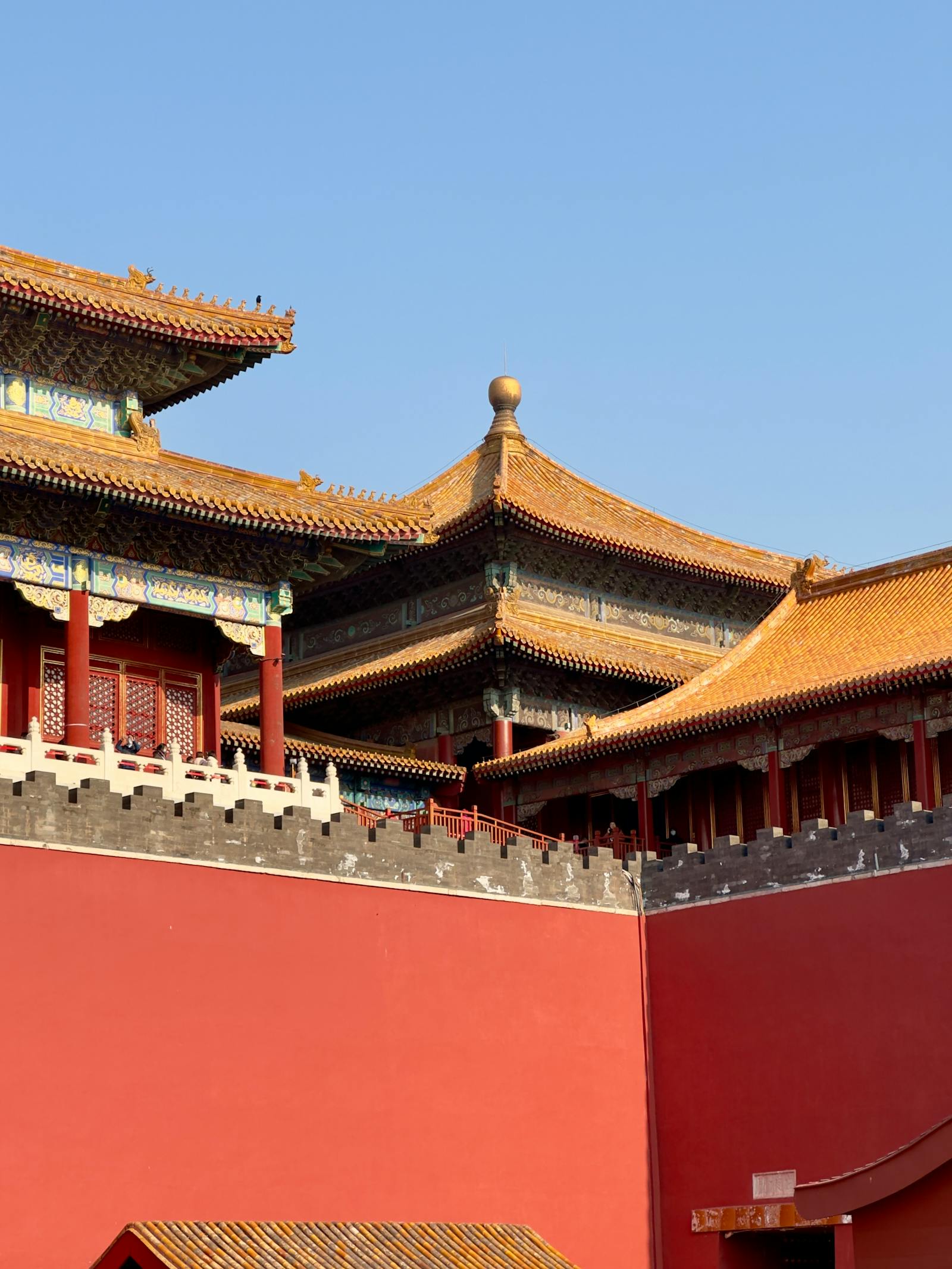
How to make a first China cultural tour feel clear instead of crowded
A first China cultural tour should not try to cover every famous name on the map. The strongest itinerary usually begins with a clear cultural question: imperial power, archaeology, landscape aesthetics, food, Buddhism, gardens or modern daily life.
Beijing and Xi’an are the most efficient foundation for Chinese history travel. Beijing explains imperial order through the Forbidden City, Temple of Heaven and Great Wall. Xi’an adds archaeology, Tang cosmopolitan culture and the eastern opening of the Silk Road.
Hangzhou and Suzhou create a softer second chapter. West Lake, Longjing tea and classical gardens help travelers understand how Chinese culture turns landscape into moral, poetic and social space. Guilin is best when travelers want the landscape tradition to become visible in front of them.
For two weeks, a balanced private China tour might pair Beijing, Xi’an and Hangzhou with either Suzhou or Guilin. For a slower luxury trip, reduce transfers and add specialist-led museum time, local meals and unscheduled neighborhood walking.
The most common mistake is to treat China as a checklist. Beijing, Xi’an, Hangzhou, Suzhou and Guilin are all strong choices, but they do different work. Beijing gives the traveler ritual order and state architecture. Xi’an gives archaeology and dynastic memory. Hangzhou and Suzhou soften the route through gardens, tea and water. Guilin turns the landscape tradition into something visible and atmospheric.
A first journey should therefore have one main spine and one softer counterpoint. Imperial Beijing and Xi’an form the strongest historical foundation. Jiangnan then changes the rhythm, replacing walls, tombs and ceremonial axes with water, pavilions, tea villages and slower walking.
For official context, references such as UNESCO World Heritage Centre profile for the Great Wall, UNESCO World Heritage Centre notes on the Imperial Palaces of the Ming and Qing dynasties and UNESCO World Heritage Centre profile for West Lake Cultural Landscape of Hangzhou help separate durable cultural value from generic sightseeing language. They are not a substitute for a guide, but they give the traveler a better foundation before the trip begins.
A practical route shape for first-time travelers
For travelers who want the classic historical foundation, Imperial China Grand Route is the cleanest place to begin. It connects Beijing, Pingyao, Luoyang and Xi’an, so the trip moves from imperial order into old-city texture, Buddhist sculpture and Qin-Tang archaeology.
If the journey has more time, Hangzhou or Suzhou can be added after Xi’an as a visual release. That sequence keeps the first China cultural tour from feeling too heavy, while still protecting the deep historical storyline that most first-time travelers want.
When this journey feels most rewarding
This journey feels most rewarding when museum time, old streets and major monuments are not forced into the same day. A traveler should be able to see the Forbidden City in the morning and still have the mental space to understand why the axis, gates and courtyards matter.
Spring and autumn give the most comfortable walking conditions, but winter can be beautiful in the north if the traveler values clearer air, quieter sites and a more austere mood.
Before choosing dates, decide how much of the journey should be guided interpretation and how much should be left open for walking, meals and unscheduled looking. For first China cultural tour, that balance matters because private China tour itinerary and Beijing Xi’an Hangzhou route need context, while China heritage travel and Chinese gardens journey become more memorable when the traveler has time to notice details without being hurried.
It also helps to name what should be left out. A focused first China cultural tour can feel richer than a broader itinerary that touches too many regions too quickly. The best version edits with confidence, keeps transfers purposeful and gives each major place a role in the overall story.
How many days should you allow?
Ten to twelve days is the most balanced range for a first China cultural tour. Eight days can work with Beijing and Xi’an only. Fourteen days allows Jiangnan or Guilin to enter naturally without turning the trip into a race.
How the trip should feel
The trip should feel confident, not anxious. A good itinerary gives the traveler enough structure to understand the country, and enough quiet space to remember it.
FAQ
Is first China cultural tour suitable for a first visit to China?
Yes, if the itinerary is focused. First-time travelers should usually choose one major route logic, then add secondary places only when they strengthen the story.
Can this theme be made private and slower paced?
Yes. Private pacing is often the difference between a good trip and a memorable one because guide time, museum interpretation and unscheduled walking can be adjusted around the traveler.
Which route connects best with this article?
The strongest match is the Imperial China Grand Route, because it turns the article theme into a practical sequence of places, highlights and starting price.