01
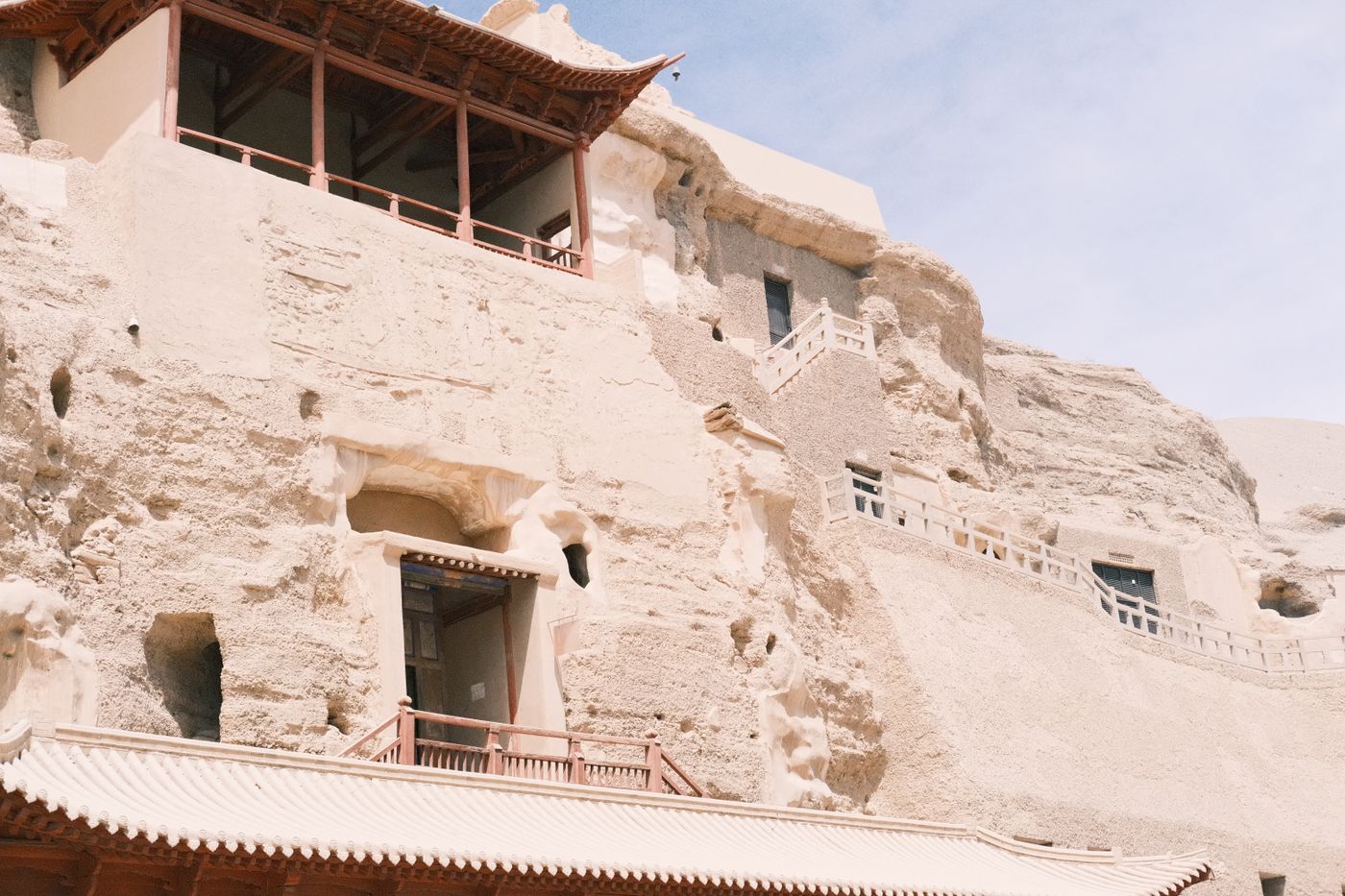
Mogao Caves specialist visit
Mogao is treated as the intellectual center of the route, with time for Buddhist art, donor portraits, manuscript history and the limits of what visitors can responsibly see.
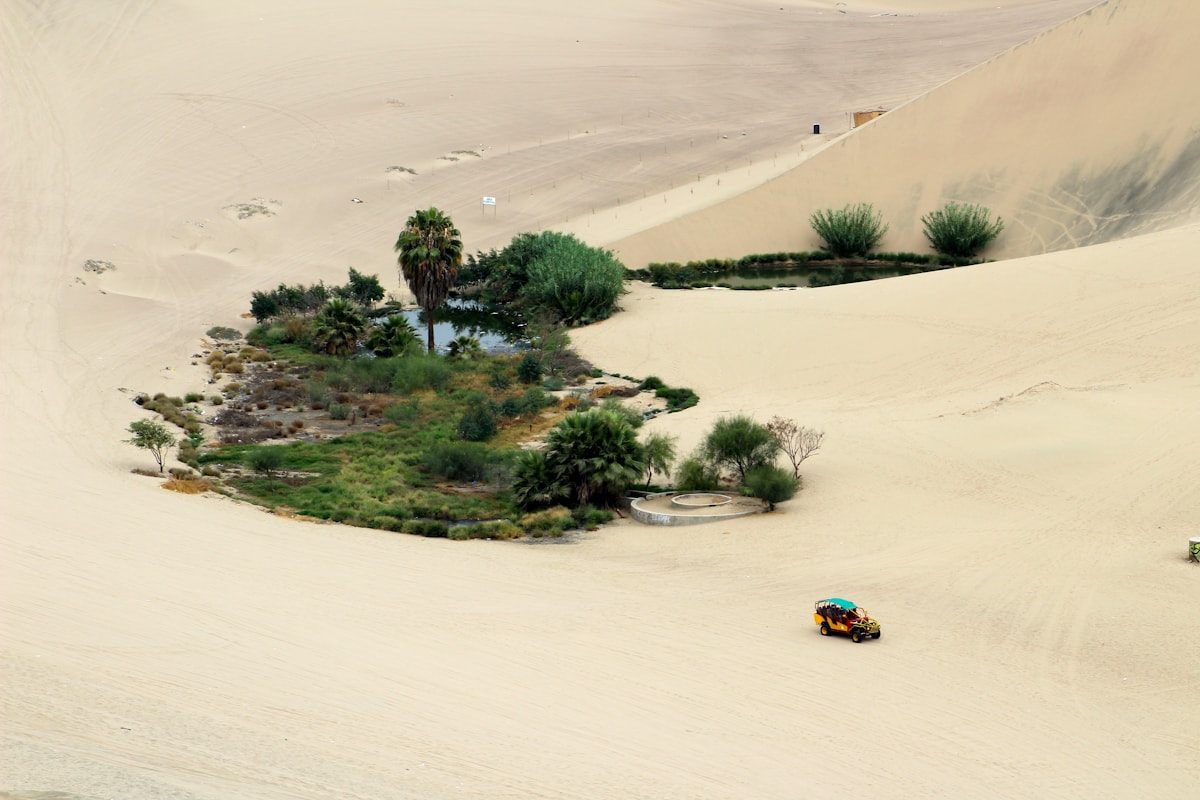
Silk Road China tour
Xi'an, Dunhuang and Kashgar frame the western corridors of China, moving from Tang cosmopolitan culture into desert monasteries, oasis trade and borderland bazaars.
Route Logic
The Silk Road route is built around movement: capital departure, desert corridor, cave-temple devotion and oasis exchange. Xi'an establishes the Tang world and the eastern opening of the network. Dunhuang then turns trade, Buddhism and geography into something visible in caves, dunes and fortress landscapes.
Kashgar gives the journey a living borderland texture. The point is not to romanticize the Silk Road, but to understand how languages, religions, markets, military routes and desert ecologies shaped western China over centuries.
This route needs breathing room. Distances are large, flights and transfers matter, and the best experiences often come from specialist interpretation at Mogao, quiet desert light and enough time in bazaars to observe rather than consume.
Late spring and early autumn for better desert conditions and lighter heat.
Archaeology, Buddhist art, desert photography and travelers who want a strong narrative route.
Private route estimate before hotel, guide and season refinements.
Trip Highlights
Each highlight is written as a reason to travel, not as a generic checklist item.
Mogao is treated as the intellectual center of the route, with time for Buddhist art, donor portraits, manuscript history and the limits of what visitors can responsibly see.
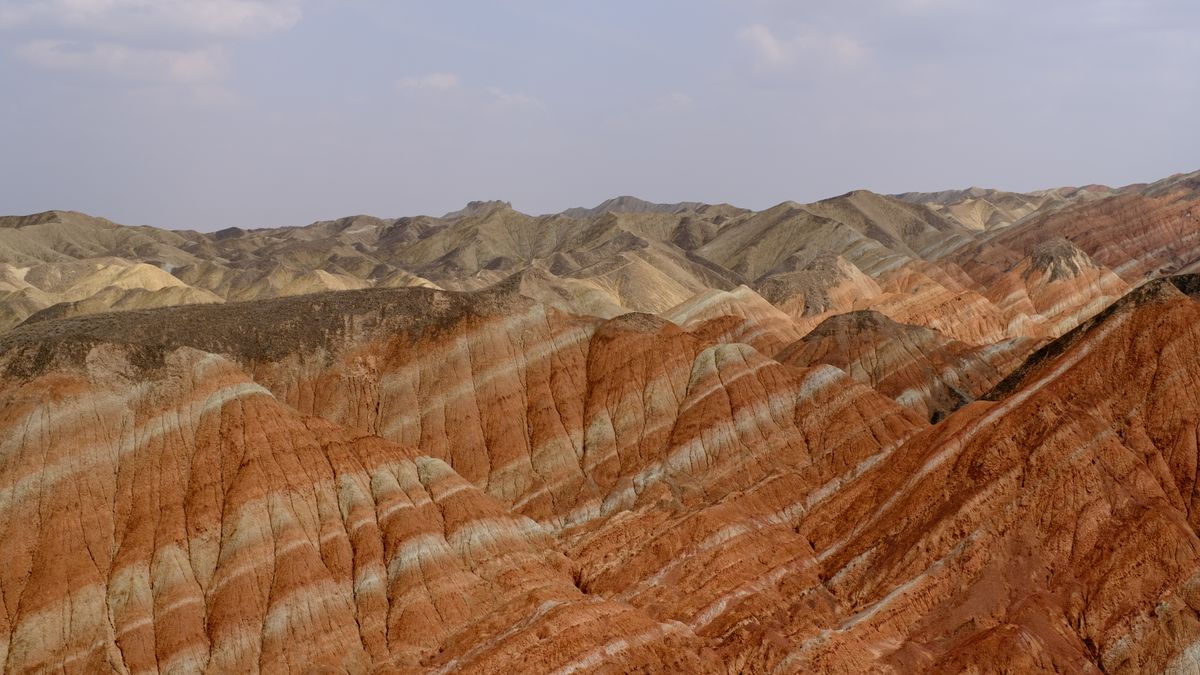
The corridor explains why geography mattered: passes, garrisons, oasis towns and the thin line of movement between mountains and desert.
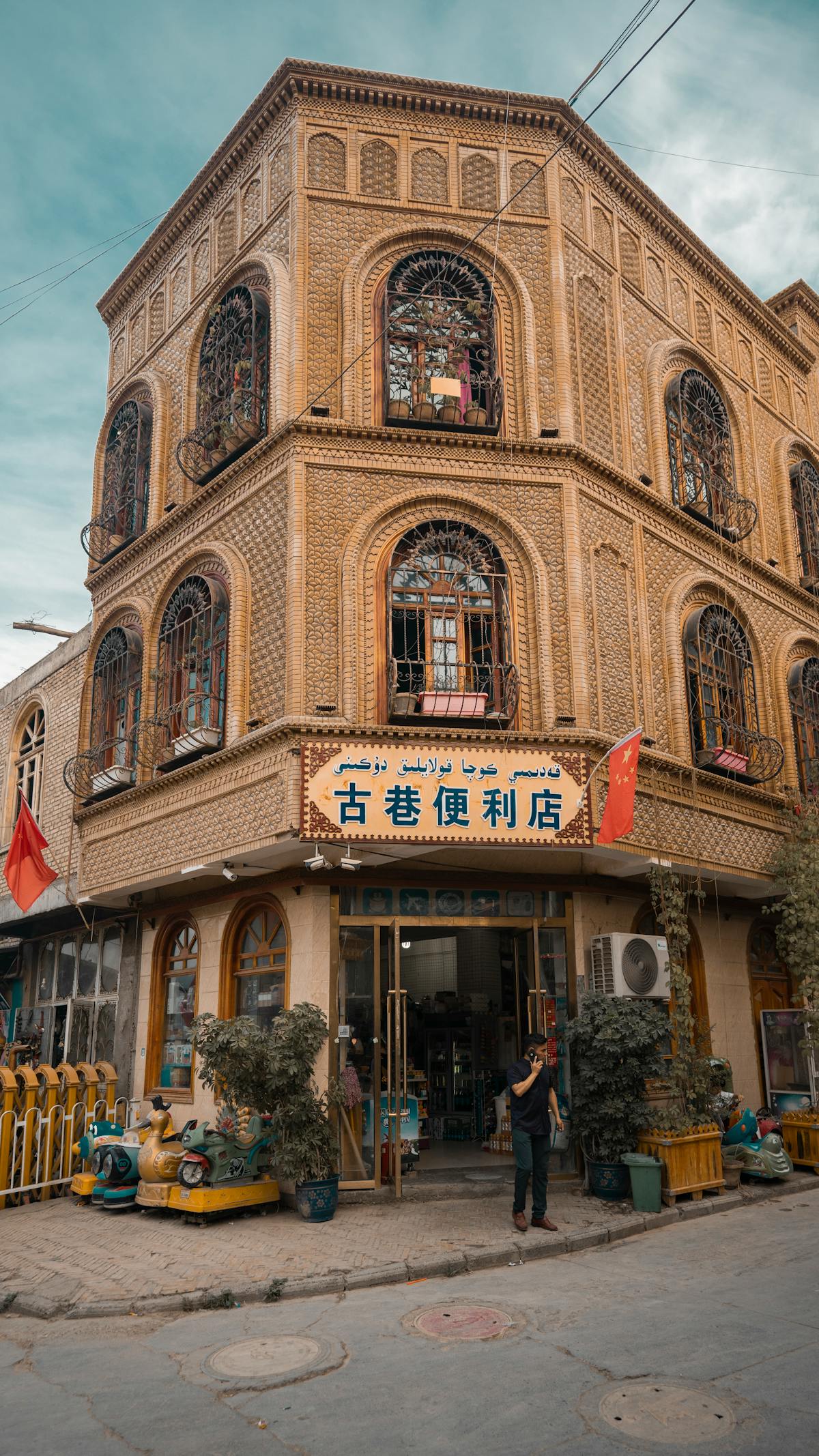
Kashgar adds patterned brick, Uyghur streetscape, neighborhood texture and the complicated feeling of an oasis city shaped by exchange.
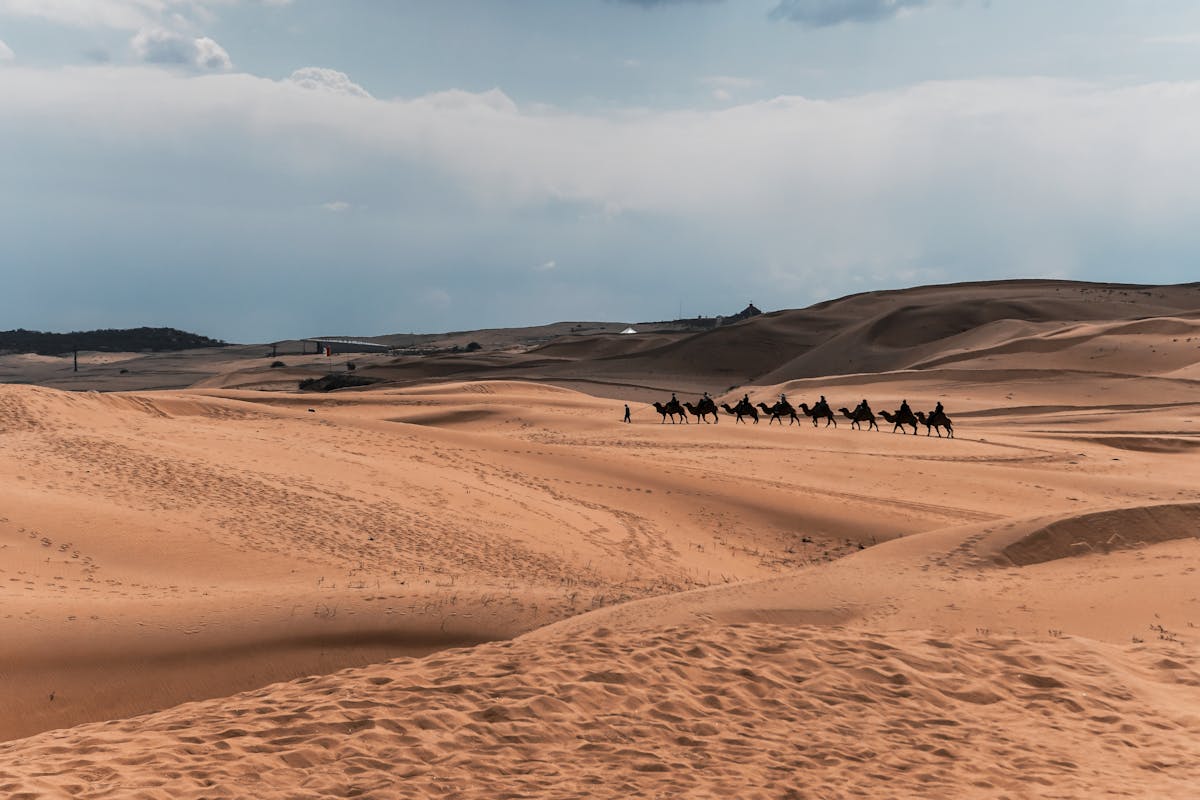
The route connects trade with military history, religious transmission and the lived practicalities of moving across long, difficult distances.
Route Rhythm
The final itinerary can be adjusted, but the sequence below shows the intended cultural progression, pacing and emotional arc.
Begin with city walls, museum context and food culture before moving west. Xi'an provides the political and cosmopolitan frame for everything that follows.
Use rail or flight logistics to trace the corridor idea. Optional stops can include Jiayuguan or Zhangye when time allows, keeping the route geographically intelligible.
Give Dunhuang several nights. Mogao, Mingsha dunes and oasis landscapes need unhurried pacing so the desert setting supports the cultural story.
End in Kashgar with bazaars, old neighborhoods, food, craft and regional context. The route finishes with living exchange rather than a static monument.
Journey Notes
These notes keep the route culturally coherent when the final itinerary is shortened, upgraded or paced more slowly.
Best pacing
Avoid one-night hops. Desert routes are strongest when travelers have time for light, distance and context.
Guide focus
Buddhist art history, Tang cosmopolitanism, Central Asian exchange, frontier geography and local market culture.
Upgrade idea
Add Turpan, Jiayuguan or Zhangye for a fuller corridor route, or keep the itinerary private and flight-based for comfort.
Related Journal
These articles give the route more depth before the planning conversation begins.
Silk Road | 11 min read
A practical cultural guide to Dunhuang, Mogao Caves, Buddhist art and the shape of a Silk Road journey in China.
Luxury | 7 min read
Design a luxury private China tour with boutique hotels, specialist guides, slower pacing and meaningful cultural access.