8 min read | Tibet
A Tibet cultural journey asks for patience before ambition. A Lhasa private itinerary, Potala Palace travel, Tibet permit planning and sacred landscapes China travel all depend on one principle: the route must respect altitude, devotion and time.
Why Tibet needs a slower cultural rhythm
A Tibet cultural journey works best when altitude and respect come before sightseeing ambition. Lhasa is extraordinary, but it is not a destination to rush.
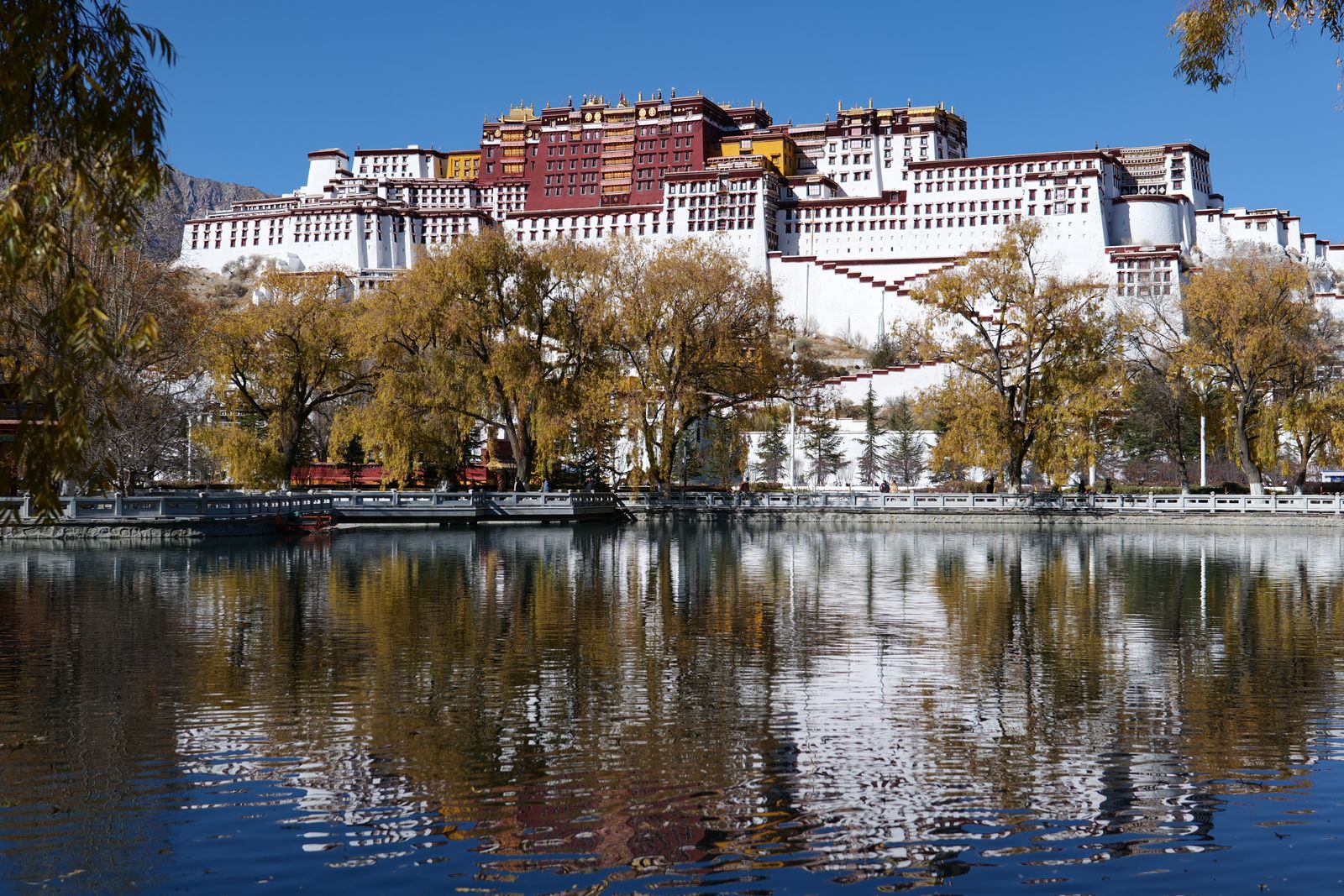
Potala Palace, Jokhang Temple and the Barkhor circuit are the core cultural anchors. Their meaning deepens when travelers understand pilgrimage behavior, monastic history and the relationship between sacred space and daily life.
Permits, routing and acclimatization require early coordination. A private itinerary should leave room for slower mornings, hydration, simple meals and flexible site timing.
The best Tibet journeys feel spacious. They allow the traveler to notice sound, gesture, ritual and mountain light instead of merely collecting landmark names.
Lhasa is not a city to consume quickly. The Potala Palace, Jokhang Temple and Barkhor circuit are powerful because they are connected to daily religious movement, not because they are names on a list.
A thoughtful Tibet cultural journey gives travelers time to acclimatize and observe. That means slower mornings, careful site timing, simple meals and enough flexibility to respond to weather, energy and permit realities.
For official context, references such as UNESCO World Heritage Centre profile for the Historic Ensemble of the Potala Palace, UNESCO World Heritage Centre profile for Mount Wutai and UNESCO World Heritage Centre profile for Mount Emei and the Leshan Giant Buddha help separate durable cultural value from generic sightseeing language. They are not a substitute for a guide, but they give the traveler a better foundation before the trip begins.
How Lhasa fits into a wider sacred route
Buddhist China Pilgrimage Route connects Dunhuang, Luoyang, Emei and Lhasa for travelers who want Buddhist geography to unfold across caves, sculpture, mountains and plateau devotion.
Lhasa should not be treated as a decorative finale. It needs preparation, context and quieter pacing, especially for travelers who want to understand pilgrimage behavior rather than simply photograph monuments.
When this journey feels most rewarding
This journey is most rewarding when travelers pay attention to sound, gesture and movement. Incense, prostrations, prayer wheels and monastic courtyards carry as much meaning as the landmark itself.
Spring and autumn tend to work best, though routing and permits matter more here than in many other China journeys.
Before choosing dates, decide how much of the journey should be guided interpretation and how much should be left open for walking, meals and unscheduled looking. For Tibet cultural journey, that balance matters because Lhasa private itinerary and Potala Palace travel need context, while Tibet permit planning and sacred landscapes China become more memorable when the traveler has time to notice details without being hurried.
It also helps to name what should be left out. A focused Tibet cultural journey can feel richer than a broader itinerary that touches too many regions too quickly. The best version edits with confidence, keeps transfers purposeful and gives each major place a role in the overall story.
How many days should you allow?
Allow at least four nights in Lhasa inside a wider Tibet cultural journey. Ten days works for a compact sacred route; longer journeys can add mountain landscapes and more gradual acclimatization.
How the trip should feel
The trip should feel spacious, respectful and grounded. It should never feel like altitude is being ignored for the sake of a schedule.
FAQ
Is Tibet cultural journey suitable for a first visit to China?
Yes, if the itinerary is focused. First-time travelers should usually choose one major route logic, then add secondary places only when they strengthen the story.
Can this theme be made private and slower paced?
Yes. Private pacing is often the difference between a good trip and a memorable one because guide time, museum interpretation and unscheduled walking can be adjusted around the traveler.
Which route connects best with this article?
The strongest match is the Buddhist China Pilgrimage Route, because it turns the article theme into a practical sequence of places, highlights and starting price.