01
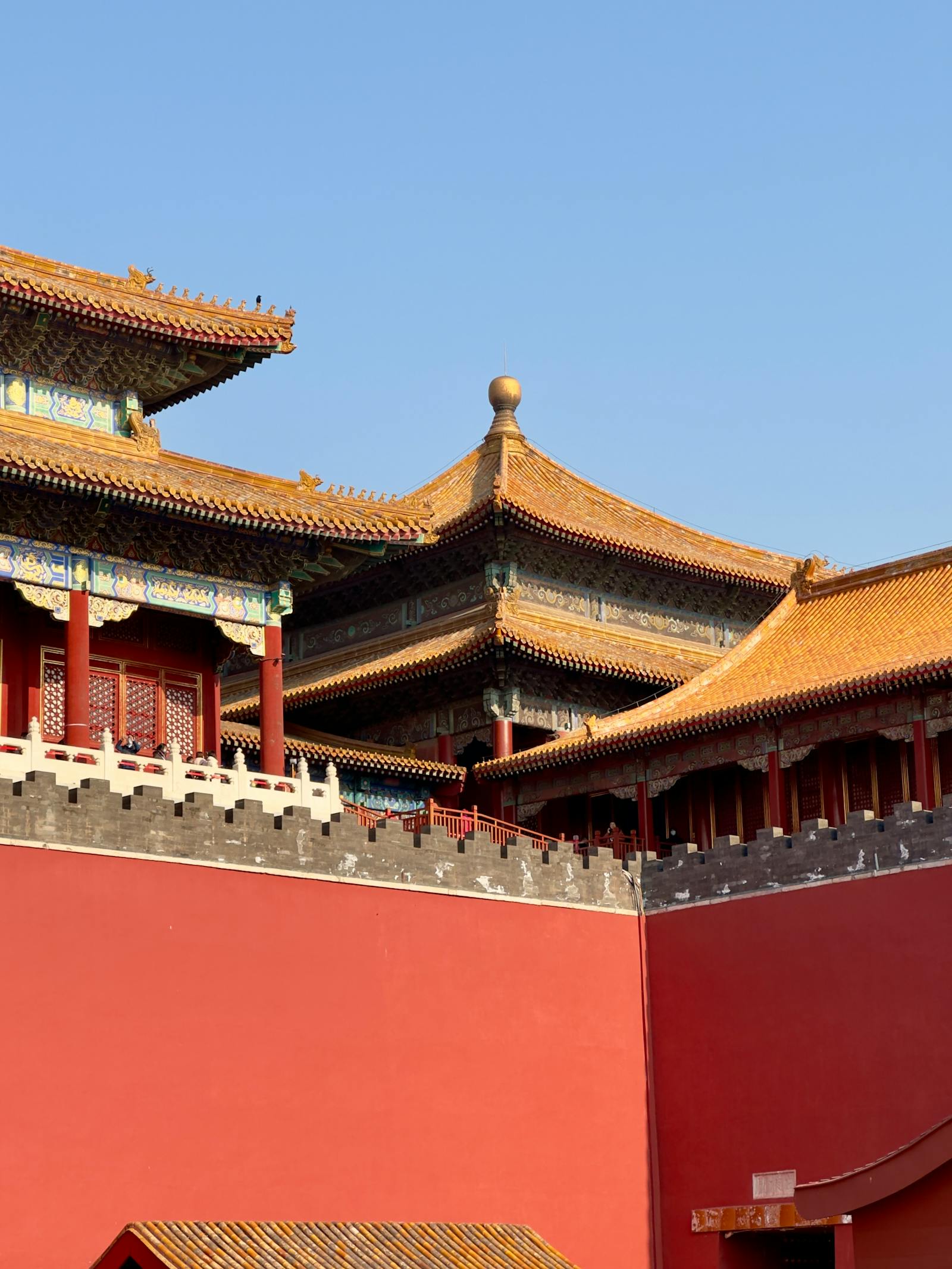
Forbidden City axis and ritual architecture
Read Beijing through space: gates, courtyards, rooflines, color, hierarchy and the north-south axis that made imperial authority visible before a word was spoken.
Imperial China tour
Beijing, Pingyao, Luoyang and Xi'an combine into one powerful reading of imperial China: ritual capital, merchant city, sacred art and dynastic archaeology.
Route Logic
This route is designed as a chronological reading of Chinese power. Beijing introduces the visible grammar of empire: axial planning, court hierarchy, ritual sacrifice and frontier defense. Pingyao then shifts the story from the throne to merchant wealth, courtyard life and the financial networks that held late imperial society together.
Luoyang and Xi'an bring the route into older dynastic layers. Longmen explains Buddhist patronage and stone carving at imperial scale, while Xi'an gives travelers the Qin and Tang worlds: unification, tomb culture, cosmopolitan trade and a city plan that still carries historical weight.
The journey should feel grand but not rushed. Museum time, old-city walks and carefully placed guide interpretation are more important than adding extra stops. The ideal version lets travelers understand why capitals moved, how ritual produced authority and how archaeology makes early China legible.
Best in spring and autumn when walking sites and old-city lanes are comfortable.
First-time visitors, history lovers and travelers who want a single route that carries the weight of the whole empire story.
Private route estimate before hotel, guide and season refinements.
Trip Highlights
Each highlight is written as a reason to travel, not as a generic checklist item.
Read Beijing through space: gates, courtyards, rooflines, color, hierarchy and the north-south axis that made imperial authority visible before a word was spoken.
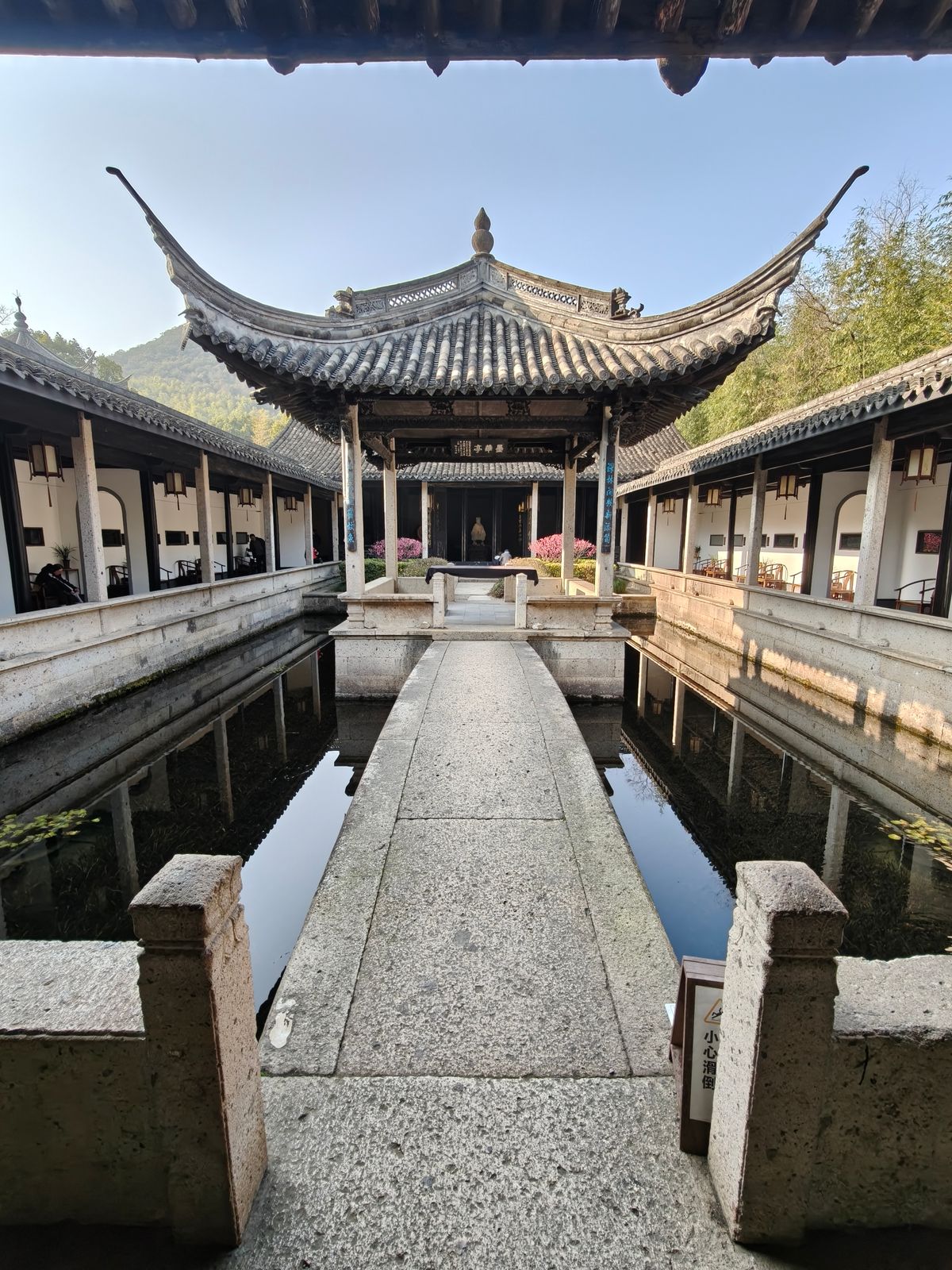
Use Pingyao to balance palace history with everyday late-imperial life: banking houses, family compounds, city walls, guild halls and the texture of Shanxi commerce.
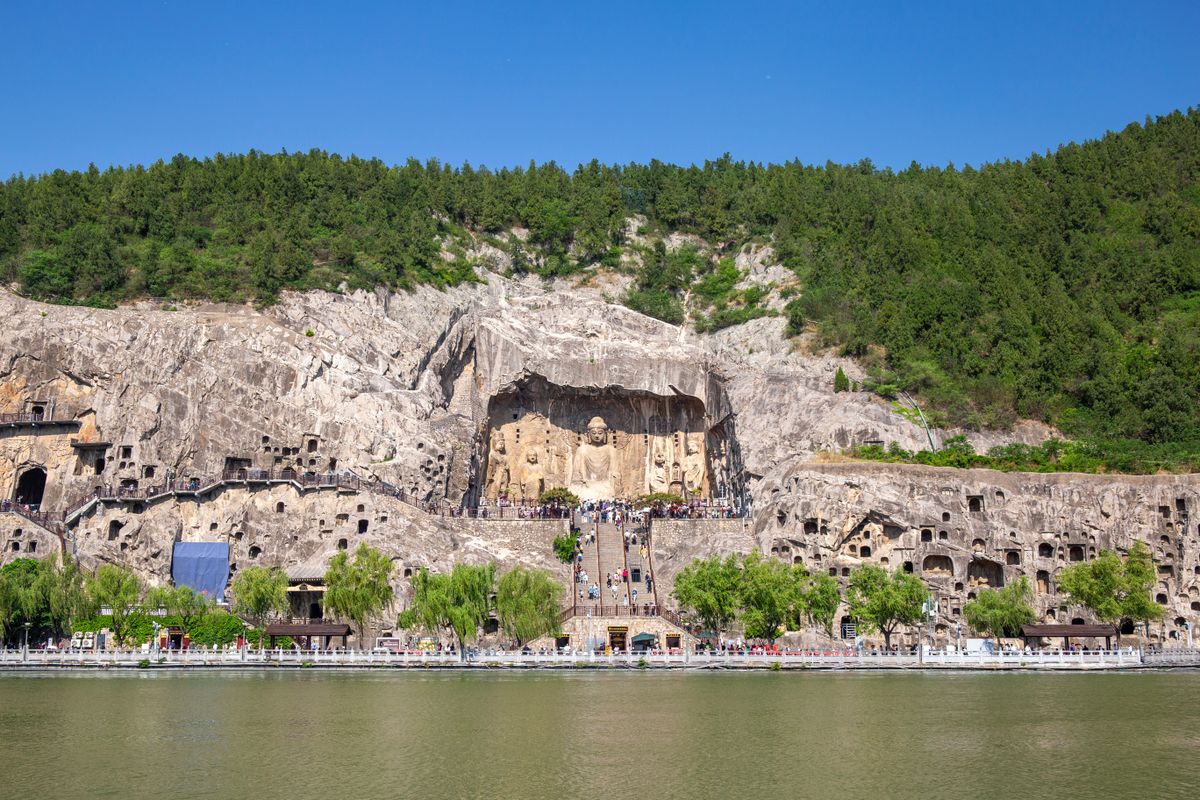
Longmen turns Buddhist devotion into stone. The visit focuses on patronage, facial style, carving scale and the relationship between religion and court power.
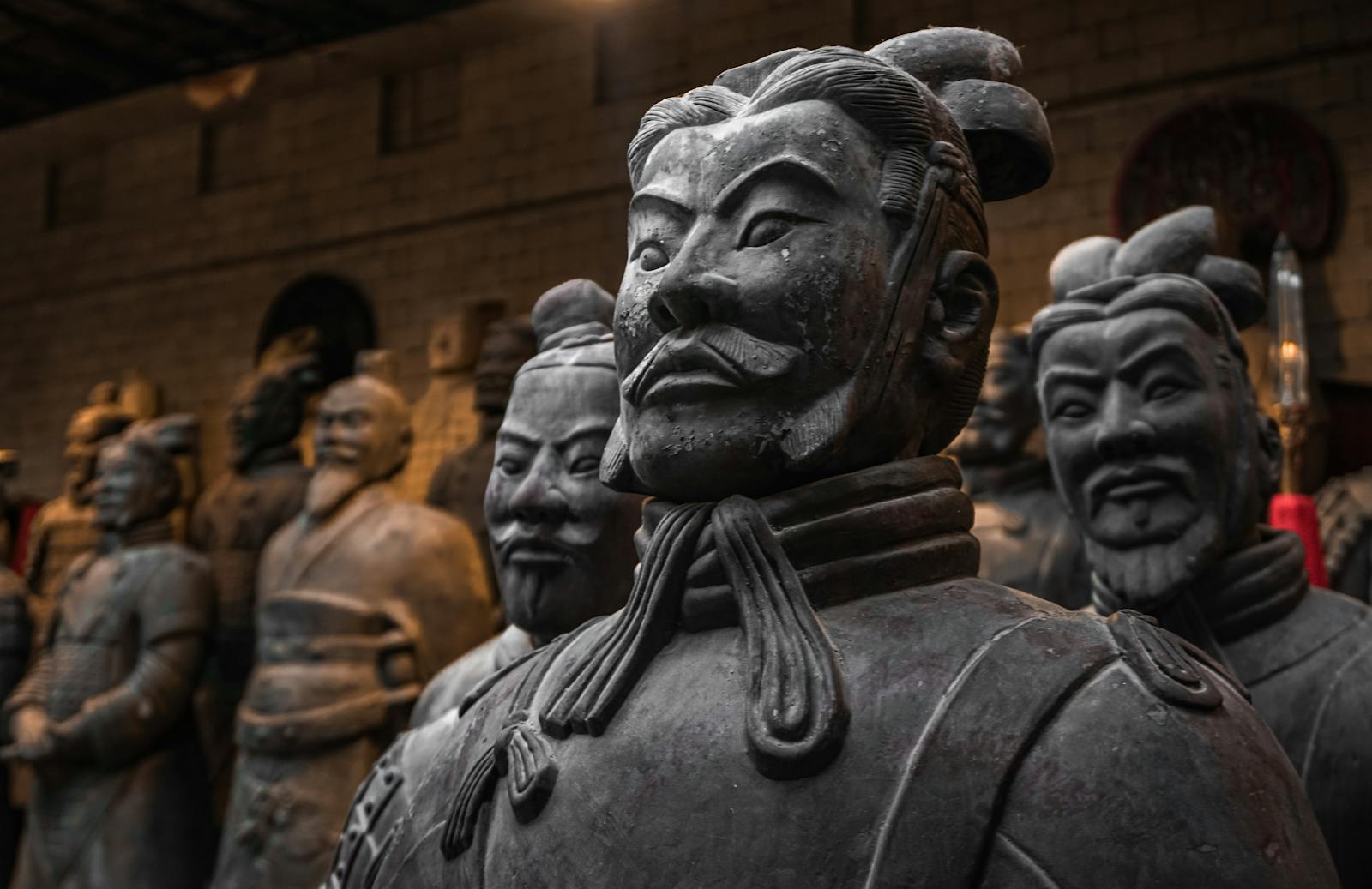
Xi'an closes the route with the Qin state and its afterlife politics, then opens outward into Tang cosmopolitan memory, city walls and Muslim Quarter foodways.
Route Rhythm
The final itinerary can be adjusted, but the sequence below shows the intended cultural progression, pacing and emotional arc.
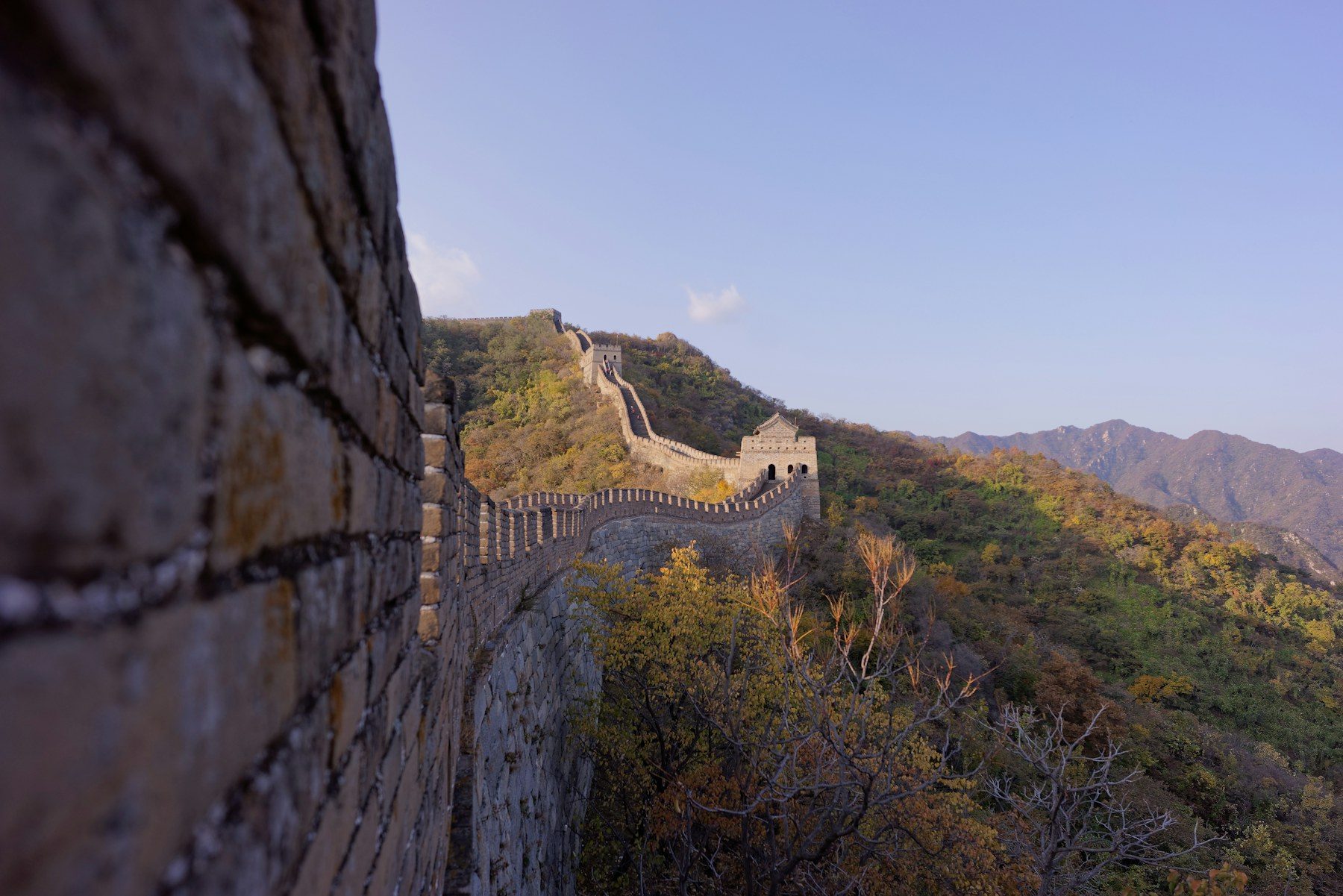
Begin with the Forbidden City, Temple of Heaven and a quieter Great Wall section. The guide frames Beijing as a system of ritual movement, not just a collection of landmarks.
Move by rail into Shanxi. Explore courtyards, banking history and evening lanes so the route shifts from imperial command to urban commerce and family life.
Use Luoyang to deepen the timeline. Longmen Grottoes, old capital layers and regional food give the journey a more archaeological and spiritual register.
End with the Terracotta Warriors, city wall, museum time and Tang-era urban imagination. The final days make the empire story feel complete rather than merely famous.
Journey Notes
These notes keep the route culturally coherent when the final itinerary is shortened, upgraded or paced more slowly.
Best pacing
Strong mornings for major sites, slower afternoons for old streets, museums or tea breaks. The route should not become a forced march through monuments.
Guide focus
Dynastic chronology, ritual architecture, archaeology, Buddhist sculpture and the social history of merchants and capitals.
Upgrade idea
Add Datong for Yungang Grottoes or Nanjing for another capital layer if the traveler has three to four extra days.
Related Journal
These articles give the route more depth before the planning conversation begins.
First Journey | 9 min read
Compare Beijing, Xi'an, Hangzhou, Suzhou and Guilin for a first private China cultural tour, with route logic and seasonal advice.
World Heritage | 10 min read
Link the Great Wall, West Lake, Suzhou gardens, Mogao Caves and Longmen through one world heritage journey with clear route logic.
Xi'an | 7 min read
A Xi'an Terracotta Warriors tour guide covering Qin history, museum pacing, nearby sites and how to connect Xi'an with ancient capitals.
History | 12 min read
Plan an Ancient Capitals China tour with route ideas for Beijing, Xi'an, Luoyang, Kaifeng, Nanjing and Pingyao.