01
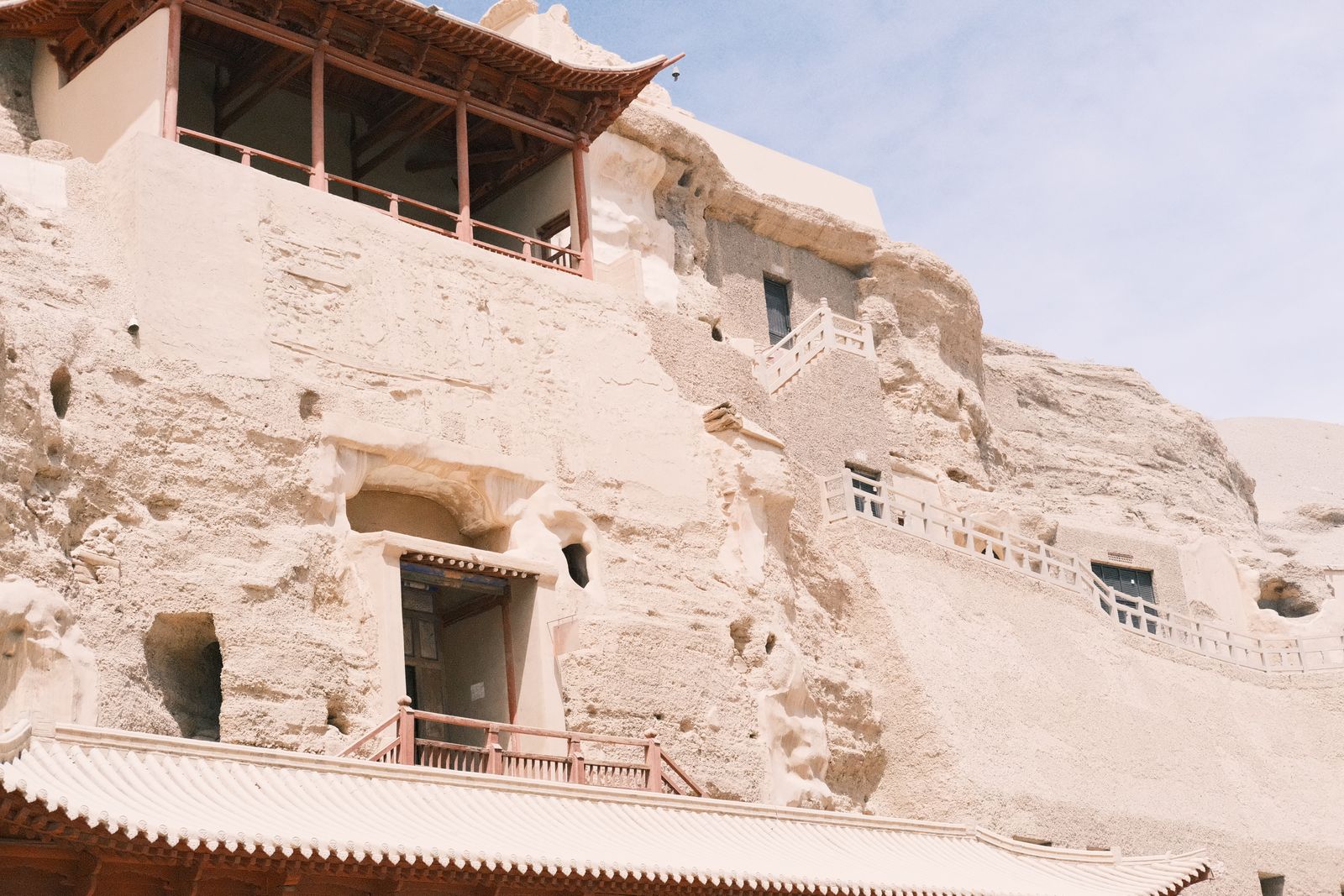
Mogao cave art
Dunhuang introduces Buddhist visual culture through murals, sculpture, donors, sutra stories and the desert routes that made the caves possible.
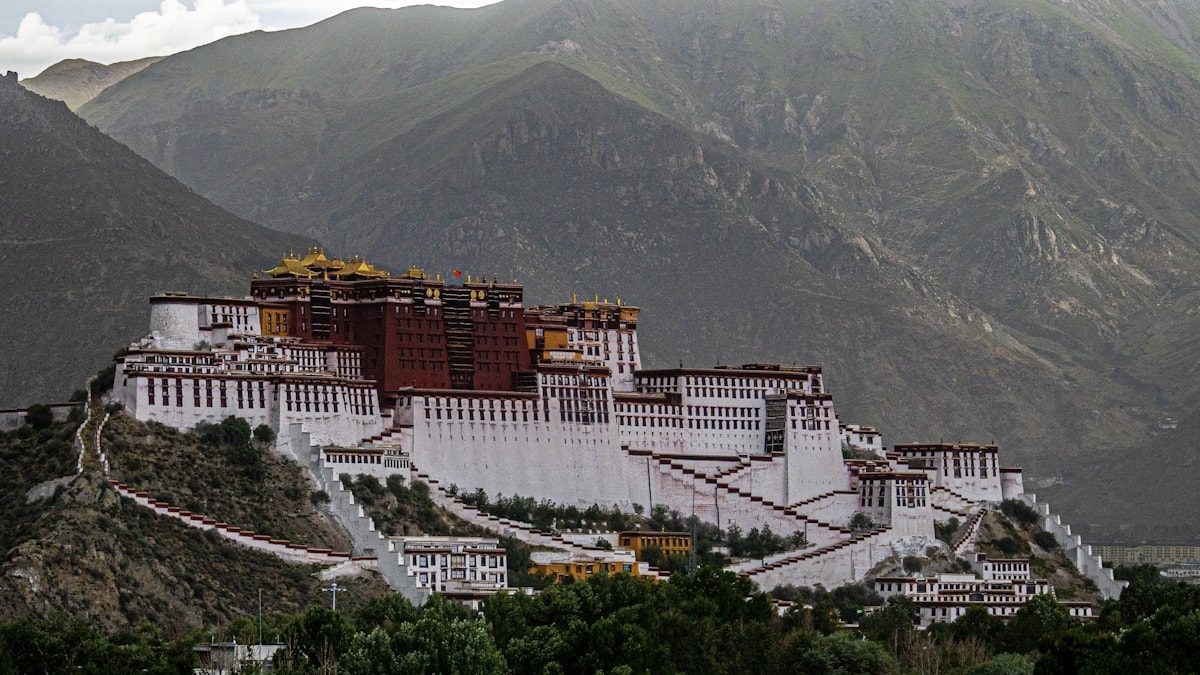
Buddhist China tour
Dunhuang, Longmen, Emei and Lhasa become one sacred geography route, moving from cave art and mountain monasteries to devotional circuits on the plateau.
Route Logic
This route follows Buddhist China through three different forms: painted caves, carved stone, sacred mountains and living devotional circuits. Dunhuang and Longmen show how patronage created visual worlds. Emei adds mountain pilgrimage, while Lhasa changes the emotional temperature of the journey completely.
The route should feel quiet, respectful and interpretive. It is not a checklist of temples. The strongest version gives travelers enough background to understand iconography, patronage, monastic life and the difference between museum-like heritage and active sacred space.
Because Lhasa involves altitude, permits and a different rhythm, the itinerary must be designed with practical care. Some travelers may reverse or soften the route depending on flight schedules, acclimatization and seasonal conditions.
Spring and autumn offer the best balance of weather and accessibility.
Travelers who care about art history, living religion and pilgrimage landscapes.
Private route estimate before hotel, guide and season refinements.
Trip Highlights
Each highlight is written as a reason to travel, not as a generic checklist item.
Dunhuang introduces Buddhist visual culture through murals, sculpture, donors, sutra stories and the desert routes that made the caves possible.
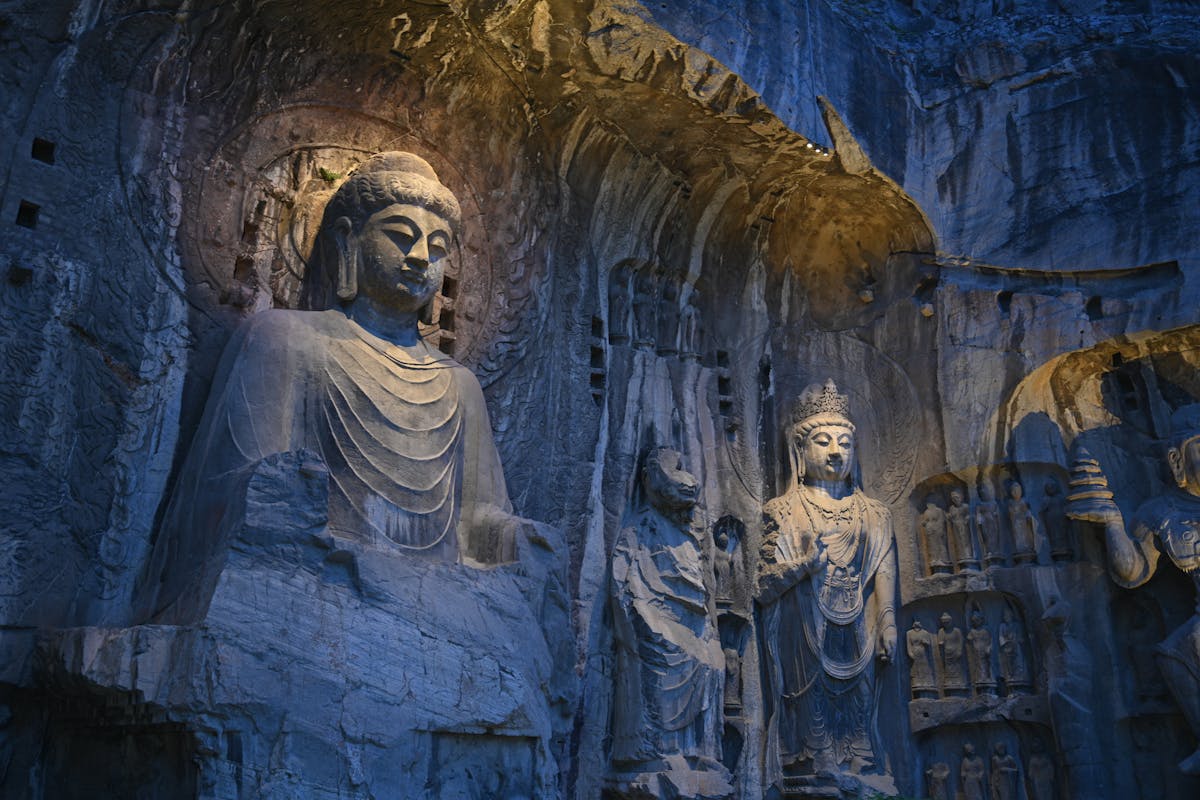
Longmen gives a second medium and a different imperial mood, helping travelers compare painted cave worlds with monumental carved devotion.
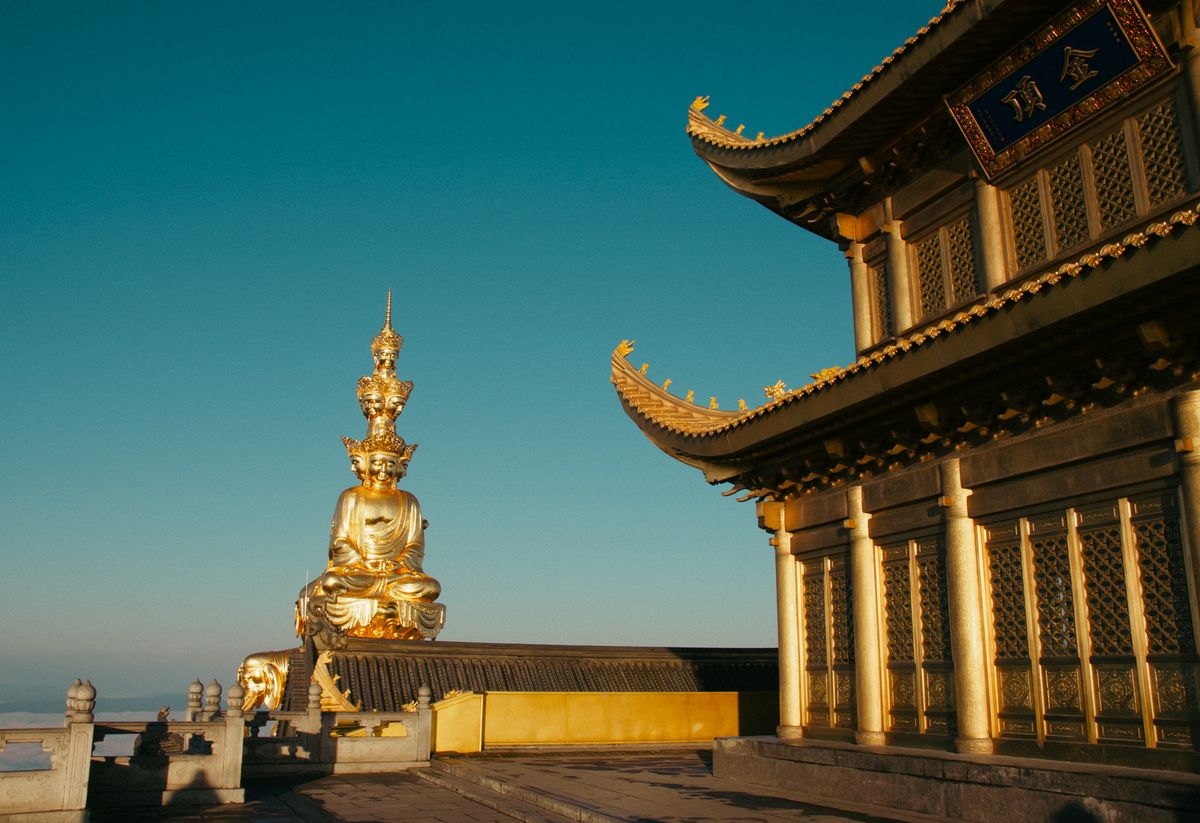
Emei brings movement, mist, incense and ascent into the route, making Buddhism feel embedded in landscape rather than only in objects.
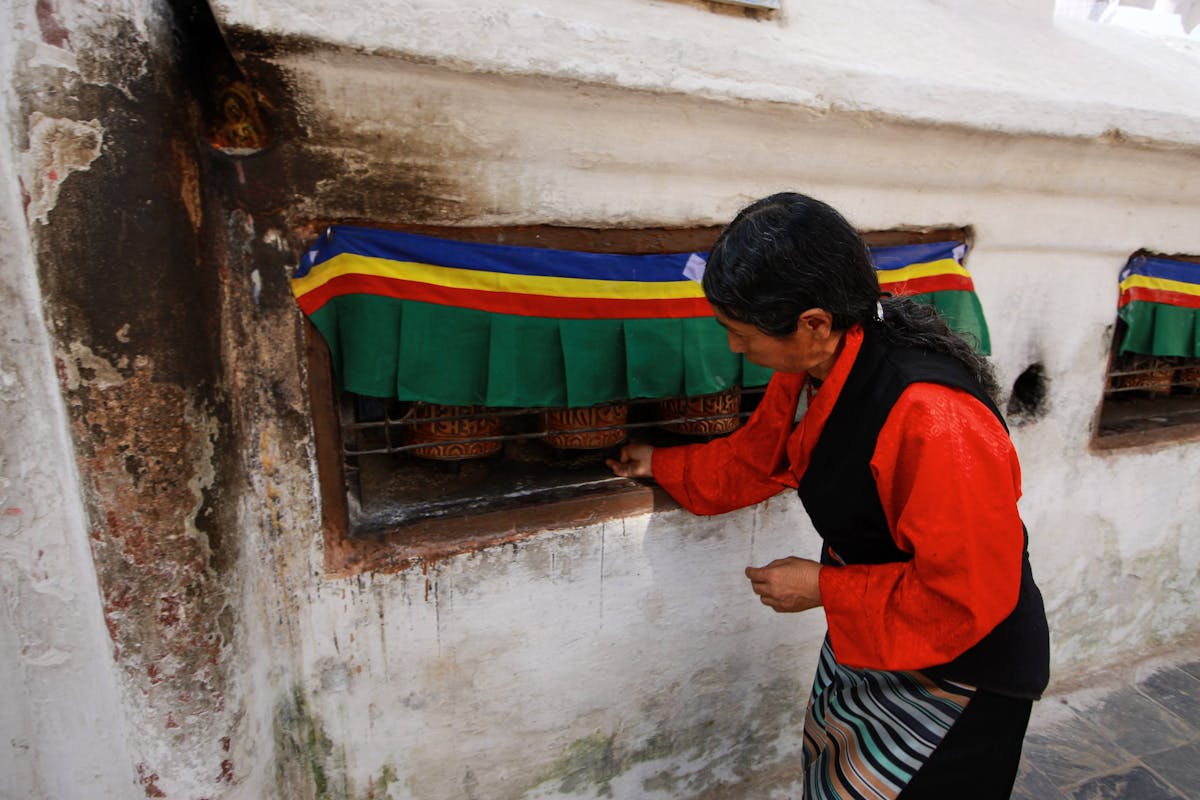
Lhasa should be approached slowly, with respect for active worship, altitude and the atmosphere of Jokhang, Barkhor and monastic spaces.
Route Rhythm
The final itinerary can be adjusted, but the sequence below shows the intended cultural progression, pacing and emotional arc.
Begin at Mogao with specialist interpretation, then balance the density of cave art with desert landscapes and quiet evening pacing.
Shift to carved stone and court-supported devotion. The comparison with Mogao makes Buddhist art feel historical, not repetitive.
Slow the journey into mountain rhythm. Walk selectively, visit monasteries and let landscape become part of the religious experience.
Finish with careful pacing around Jokhang, Barkhor and Potala context. Altitude-aware timing matters more than packed sightseeing.
Journey Notes
These notes keep the route culturally coherent when the final itinerary is shortened, upgraded or paced more slowly.
Best pacing
Quiet starts, fewer temples per day and time for reflection. Sacred sites lose power when they are rushed.
Guide focus
Iconography, cave preservation, pilgrimage behavior, mountain devotion and respectful conduct in active religious spaces.
Upgrade idea
Add Wutai Shan or Labrang for a more complete sacred geography route if timing, permits and season allow.
Related Journal
These articles give the route more depth before the planning conversation begins.
Tibet | 8 min read
A Tibet cultural journey shaped by altitude awareness, respectful pacing and core heritage sites in Lhasa.
Buddhist China | 10 min read
A Buddhist China pilgrimage tour guide covering Mogao Caves, Longmen, Wutai, Emei, Putuo, Jiuhua and Leshan.