01
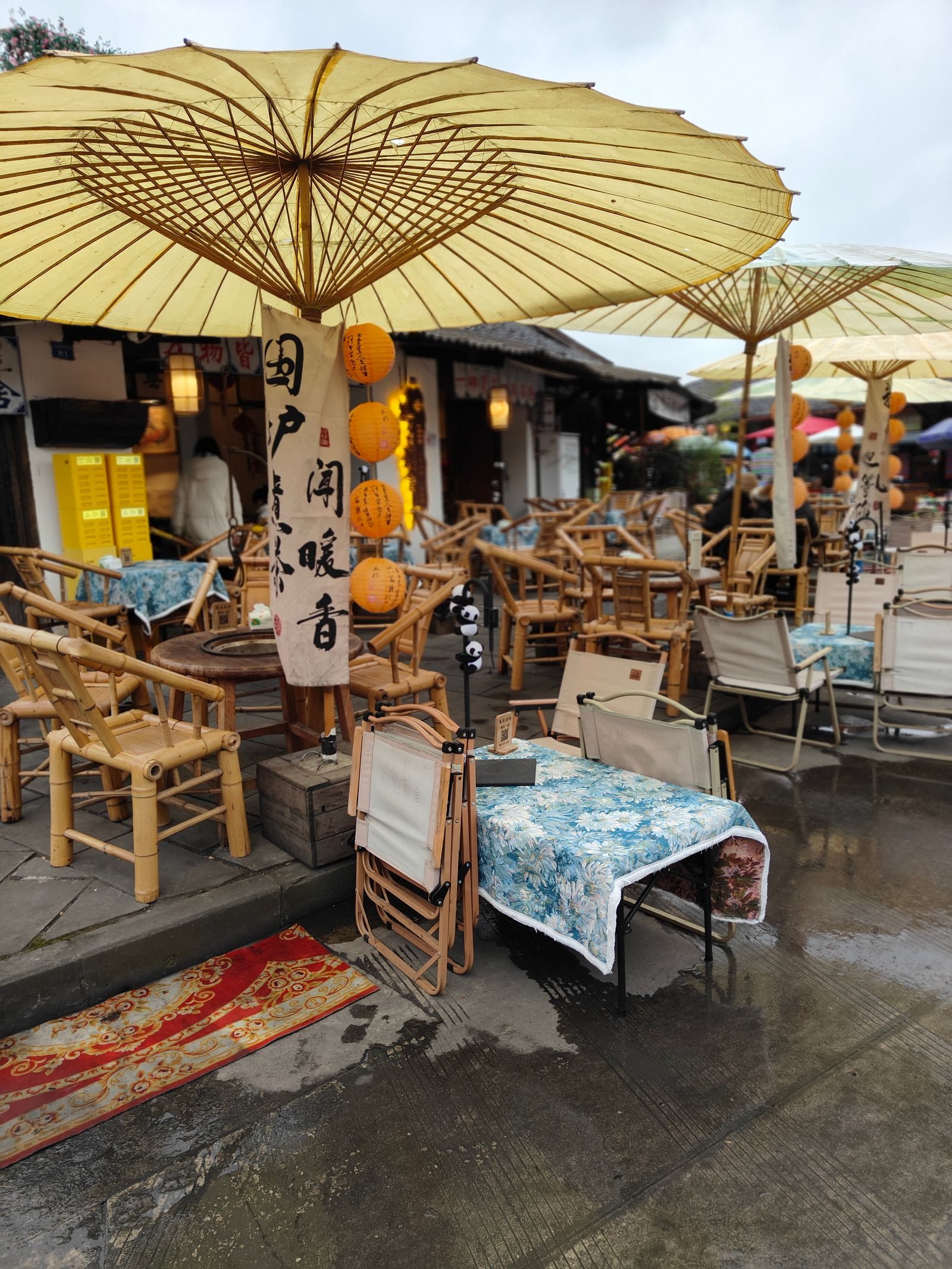
Chengdu teahouse culture
Chengdu introduces the southwest through everyday rhythm: teahouses, food, markets and a softer urban tempo before mountain travel begins.
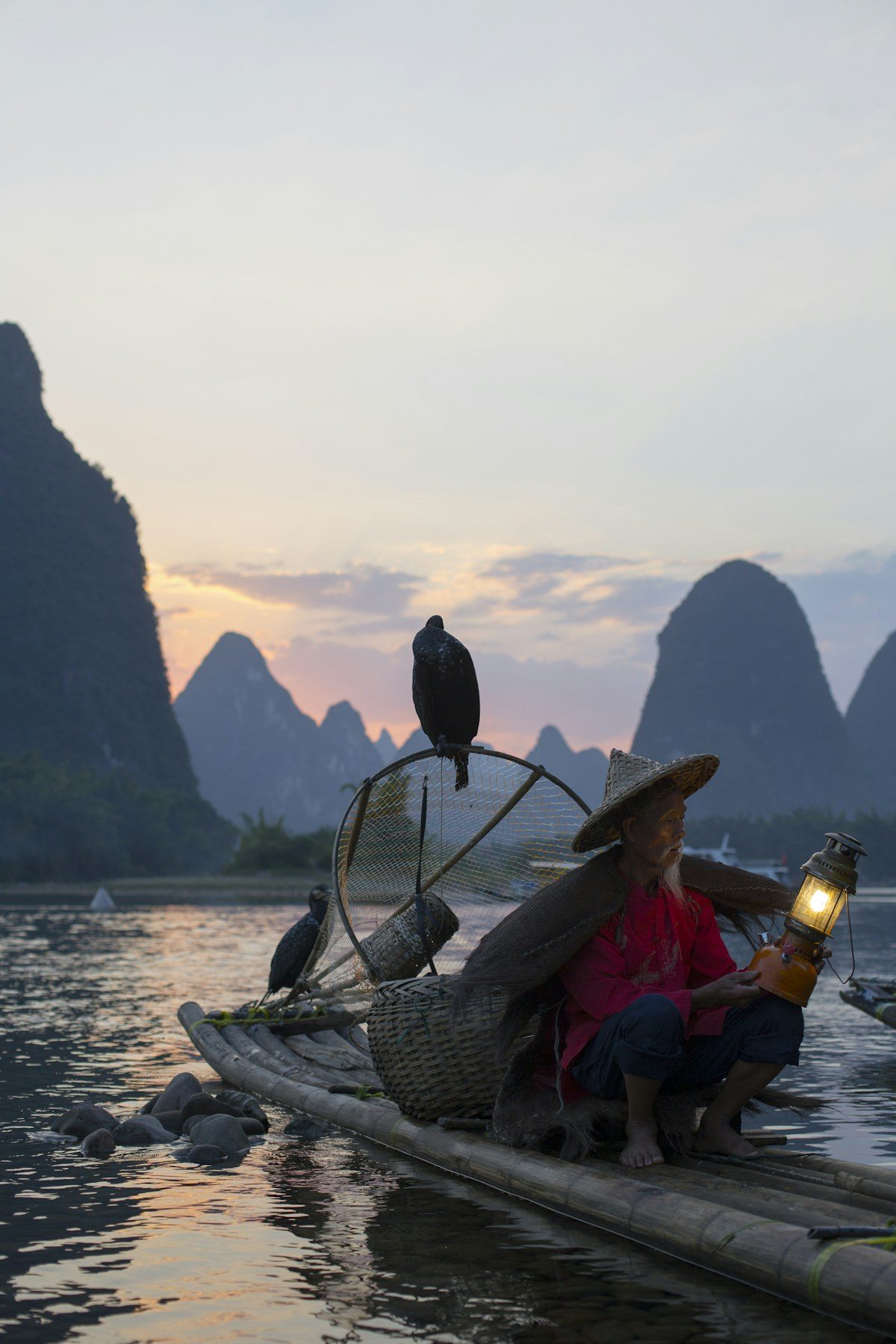
Ethnic minorities China tour
Chengdu, Lijiang, Lhasa and borderland routes create a broader view of China's ethnic diversity, mountain ecologies and regional identities.
Route Logic
This route is intentionally different from the imperial corridor. It looks at culture through terrain, foodways, ethnic identity, mountain ecologies and local memory. Chengdu gives the journey a relaxed social opening before Yunnan and Tibet introduce more layered regional worlds.
Lijiang and nearby mountain areas should be handled with nuance. The goal is not to flatten ethnic culture into costumes or performances, but to understand Naxi history, old-town preservation, local religion, trade routes and the pressures of tourism.
Lhasa adds plateau devotion and sacred geography. Because the route crosses cultural and altitude thresholds, it needs careful pacing, respectful interpretation and flexibility around permits and health.
Late spring and early autumn usually work best, especially for plateau travel.
Repeat travelers, ethnographic curiosity, mountain landscapes and culturally careful exploration.
Private route estimate before hotel, guide and season refinements.
Trip Highlights
Each highlight is written as a reason to travel, not as a generic checklist item.
Chengdu introduces the southwest through everyday rhythm: teahouses, food, markets and a softer urban tempo before mountain travel begins.
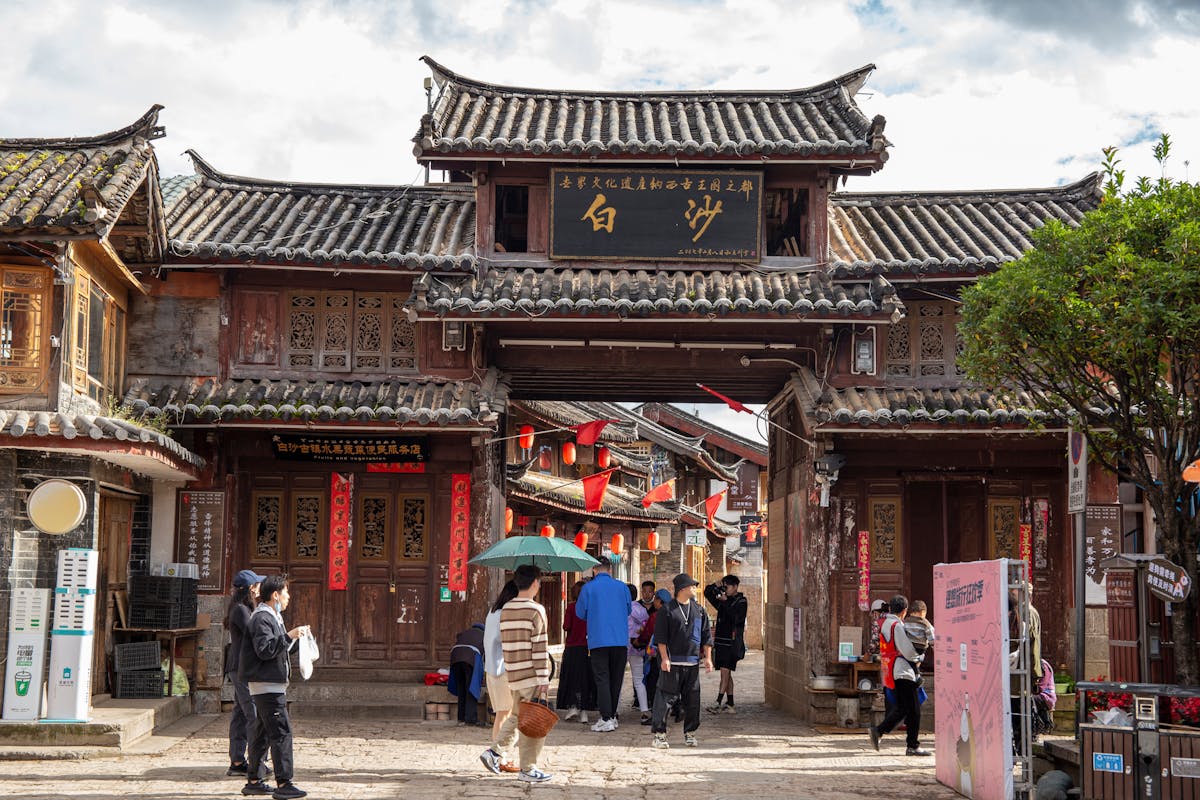
Explore architecture, water systems, Dongba culture and the contrast between living heritage and tourism pressure.
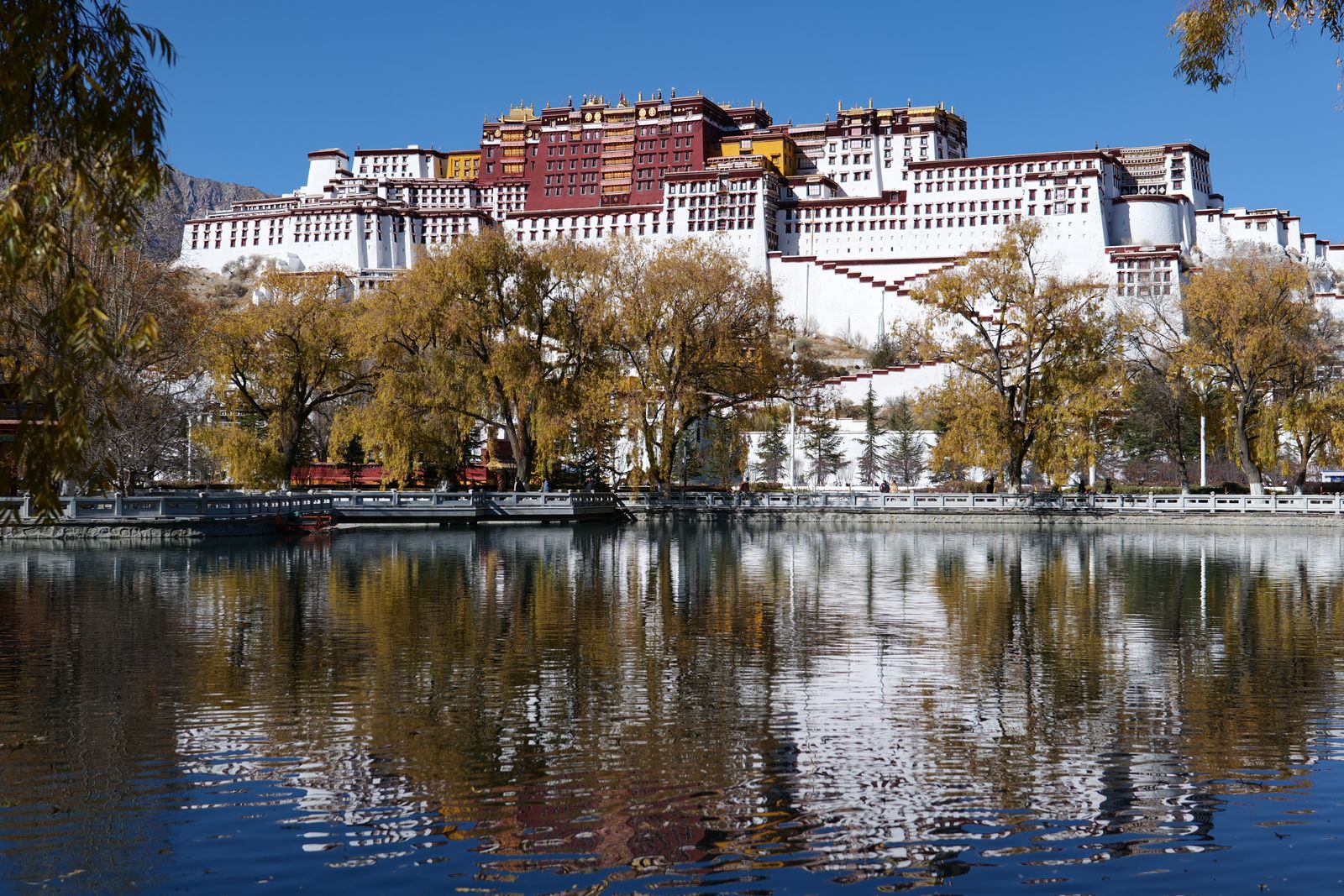
Lhasa brings pilgrimage circuits, monastery context, altitude-aware pacing and a more contemplative ending.
The route uses mountains and regional identities to show a plural China beyond the better-known capital narrative.
Route Rhythm
The final itinerary can be adjusted, but the sequence below shows the intended cultural progression, pacing and emotional arc.
Open with teahouse culture, markets, Sichuan food and neighborhood walks. Chengdu sets a human pace before the route climbs into mountain worlds.
Use Lijiang for architecture, local history and nearby villages, keeping the interpretation respectful and away from over-staged culture.
Add a slower highland chapter when conditions allow, with village context, landscape stops and room for weather.
Finish with altitude-aware days around Jokhang, Barkhor, Potala context and monastery visits. The ending should feel quiet, not crowded.
Journey Notes
These notes keep the route culturally coherent when the final itinerary is shortened, upgraded or paced more slowly.
Best pacing
Build in flexible mornings, altitude buffers and unscheduled walking. This route should feel attentive rather than extractive.
Guide focus
Regional identity, Naxi culture, foodways, plateau religion, respectful photography and the politics of heritage preservation.
Upgrade idea
Add boutique mountain lodges, a Chengdu food specialist or a slower Yunnan extension for travelers with more time.
Related Journal
These articles give the route more depth before the planning conversation begins.
First Journey | 9 min read
Compare Beijing, Xi'an, Hangzhou, Suzhou and Guilin for a first private China cultural tour, with route logic and seasonal advice.
Silk Road | 11 min read
A practical cultural guide to Dunhuang, Mogao Caves, Buddhist art and the shape of a Silk Road journey in China.
Tibet | 8 min read
A Tibet cultural journey shaped by altitude awareness, respectful pacing and core heritage sites in Lhasa.
World Heritage | 10 min read
Link the Great Wall, West Lake, Suzhou gardens, Mogao Caves and Longmen through one world heritage journey with clear route logic.